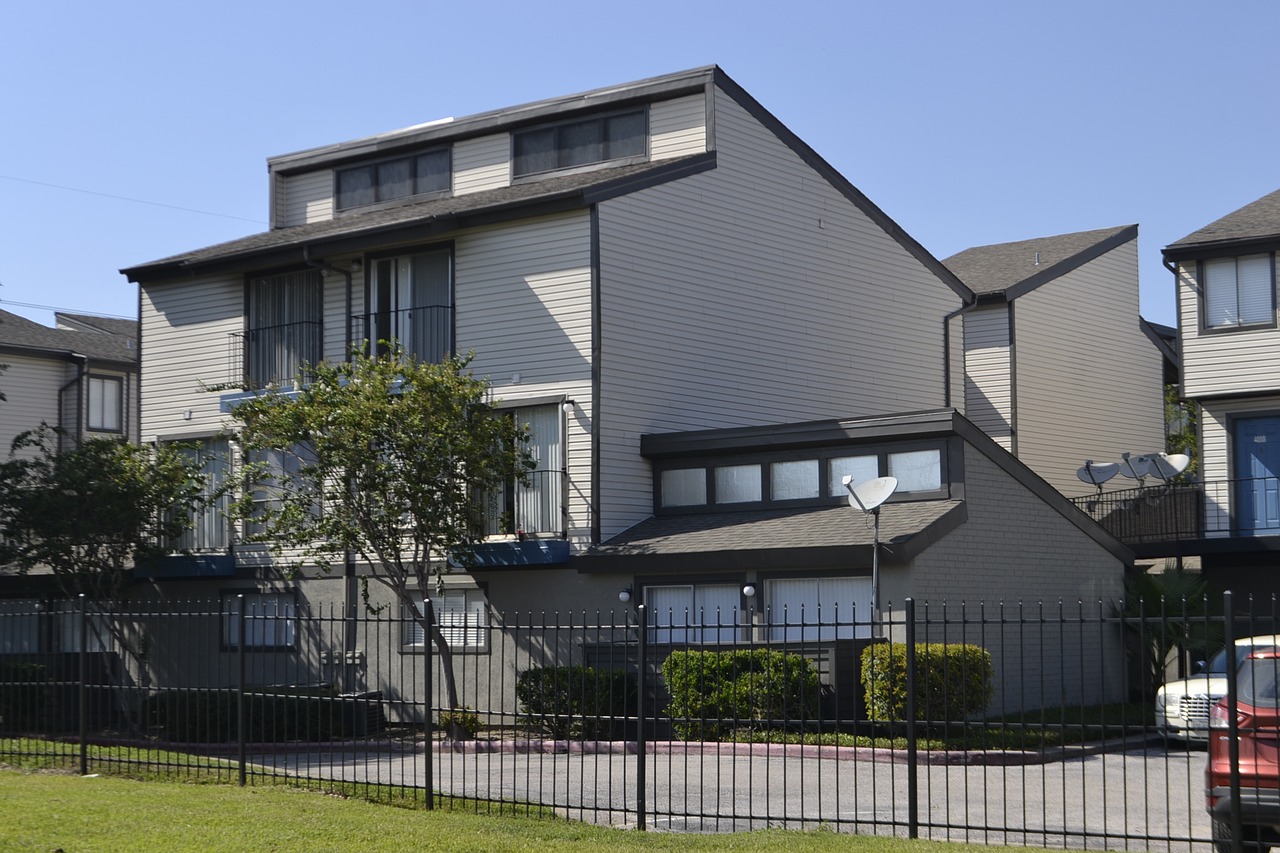
Managing Your Apartment and Condo Loss Prevention Program
Many outside factors can come between you and the safety of your property and residents. An effective apartment and condo loss prevention program can help you manage these factors. Which will save you both time and money. Strong loss prevention programs for residential properties generally contain three components:
A property management policy
Loss prevention checklists that address specific risks to your buildings
Methods for soliciting and responding to unsafe conditions and repairs
However, these programs are considerably less effective without buy-in from your entire business and residents. In fact, when management continuously demonstrates a genuine interest in safety, residents are more likely to follow suit.
Ongoing safety and maintenance initiatives can help keep your costs down and attract new residents. These initiatives must be engrained in your day-to-day operations and consist of more than just daily checks of your property. As such, clear communication of your firm’s policies and procedures are a must and should involve:
Input from everyone who helped develop your program
Feedback loops to determine the program’s effectiveness
The better you communicate your apartment and condo loss prevention program, the more likely your residents are to participate. To promote effective communication, ask yourself if you have:
Shared your safety goals with your residents and employees
Educated residents on safety best practices and how to report property concerns
Communicated specific hazards to employees and residents
Handling Repair and Maintenance Requests
When it comes to staying ahead of potential repair and maintenance concerns, your residents are an invaluable asset. While your team should perform regular inspections of your property, your residents can bring problem areas to your attention.
It is in your best interest to provide a formal process your residents can use to submit repair and maintenance requests. Not only does this improve your property management firm’s reputation, but it can also help you prevent major losses.
Submission processes can vary, but usually involve some sort of written or web-based request for the following information:
Resident’s name
Address
Unit number
Phone number
Date of complaint
Type of complaint
Description of complaint
Special requests
It’s also important to identify who will handle maintenance requests, both minor and severe. While you may be able to take care of simple issues on your own, you should keep a list of contact information for electricians, plumbers and contractors for more complex requests.
Any request you receive must be taken seriously and addressed in a timely fashion. Log all of these requests, documenting key findings and any repairs you make. In addition, having a system in place to prioritize your maintenance requests is critical. Some building concerns, like leaking water, can be more time sensitive than others.
While all requests should be addressed and evaluated on a case-by-case basis, there will be times when you must assess multiple requests at once. In these instances, responding to the most high-priority tasks first can help you limit potential damage to your property.
Incident Investigation
Even with a comprehensive Apartment and Condo Loss Prevention program, you could still experience accidents. Although you take every precaution necessary to ensure the safety of your residents and the general public, injuries and other accidents may still occur. In the event that an individual is involved in an accident on your property, you must gather key details. Thoroughly reporting and investigating accidents not only helps you address safety concerns as they arise, but also proves useful following a claim.
While the accident investigation process may differ from firm to firm, it’s critical that you:
Obtain information from the injured individual, including how and where the accident occurred.
Survey the conditions of the area at the time of the accident, taking photos if possible.
Determine what equipment, activities or property was involved, noting the condition of these items (preserve the condition of any equipment and property involved in an incident).
Obtain information from witnesses when available.
Analyze the information and determine root causes (e.g., worn carpet, faulty handrails or damaged surface in parking lot).
Implement corrective measures.
Throughout the investigation, clear communication between the accident victim and your property management firm is vital. You will also need to follow up on any and all incidents that occur on your premises and notify residents if safety procedures change.
Building and Safety Code Considerations
Compliance with local laws and nationally recognized consensus standards is one of the major challenges that comes with managing property. Depending on where your property is located, there may be a number of specific requirements you must meet when constructing, repairing or renovating areas of your building. Further complicating the issue, if you own an older property, there may be any number of issues you must address to bring your building up to code. The National Fire Protection Agency (NFPA) provides a variety of consensus standards, which are widely accepted across the United States, to assist in the design, construction and renovation process.
As a property manager, it’s your job to be aware of any relevant laws, particularly as it concerns the safety and well-being of your residents. To learn about any applicable building and safety codes, work with qualified, licensed contractors for all major repairs and renovations. In addition, consider contacting your local government for information regarding property management-related laws.
Collecting Certificates of Insurance
One tedious, yet critical, job of a property manager is ensuring that all vendors and contractors working on their building are equipped with the proper insurance coverage. Specifically, property managers must check that the policies of these individuals cover any relevant risks and include the appropriate limits.
The best way to confirm that the vendors you work with have adequate coverage is by collecting and maintaining certificates of insurance (COIs). A COI is a valuable—yet misunderstood—tool in the insurance industry. COIs are used across a variety of commercial business relationships and essentially serve as proof that a particular party has an insurance policy in effect. Often only a few pages long, COIs are summary documents that indicate the insured party, essential terms and conditions of the insurance policy, policy limits and the policy period.
Property managers must keep diligent records of COIs and request them on an annual basis or at the beginning of every job or contract. Whenever possible, it’s best to keep COIs in a single, digital location for easy tracking, making note of any expiration dates. COIs can easily be faked or altered, so it’s important to ask yourself the following questions when reviewing and managing COIs to avoid common issues:
Is the COI provided on a proper form?
Is the company named on the COI the same as the one named in the contract?
Is the policy issued by a reputable insurer? Is the COI signed by an insurance company or agency representative?
Are the types and limits of insurance listed on the form the same or greater than those required by you under the contract?
Are specific policy numbers listed on the COI?
Are the dates of coverage adequate for the specified work?
Does the COI indicate any special insurance requirements you have specified?
Has the provider made any unapproved modifications to the COI?
Do you require written contracts with every third party you work with, either by annual agreement for all work or by separate agreement for each project?
Do you have a system in place (e.g., a certificate management system) for tracking expiration dates?
Securing and managing COIs can be complicated, and it’s critical to enlist the help of an experienced insurance broker. Contact GDI Insurance Agency, Inc. today at 209-634-2929 to learn more about collecting and maintaining COIs.
Manage Your Risks With an Apartment and Condo Loss Prevention Program
Managing a property—whether it be an apartment, condominium or similar dwelling—can be a challenge, particularly from a risk management standpoint. Even if a property manager only looks after a single space, they face innumerable exposures—exposures that can come from a variety of sources and lead to thousands of dollars in damages and loss of income potential in an instant.
To assess their various risks, property managers should implement a loss prevention program. Loss prevention programs are procedures, policies and other steps organizations can implement to reduce the likelihood of an insurance claim or costly incident. In the property management industry, apartment and condo loss prevention programs set the standard for how stakeholders maintain and improve the buildings and units they oversee.
You can’t always predict when a major fire, disaster, accident or similar incident will occur. However, with the right loss prevention program, you’ll be properly prepared and can reduce the impact of an incident or even eliminate certain risks altogether.
California’s Leader in Insurance and Risk Management
As one of the fastest growing agencies in California, GDI Insurance Agency, Inc.is able to provide its clients with the latest and greatest of what the insurance industry has to offer and much, much more.
We are headquartered in Turlock, CA, with locations across the heart of California’s Central Valley and beyond to provide a local feel to the solutions and services we provide our clients. We pride ourselves on exceeding our client’s expectations in every interaction to make sure that our client’s know how much we value and appreciate their business. Contact us today 1-209-634-2929 for your comprehensive habitational insurance quote!
Employers have the responsibility to provide a safe workplace. They must provide their employees with a workplace that does not have serious hazards, and that follows all relevant OSHA safety and health standards. Following the construction industry OSHA requirements not only helps your employees, but is the law.
Employers must comply with specific standards. All employers in the construction industry must also have injury and illness prevention programs. Contractors and employers that do construction work must comply with standards in 29 CFR 1926. Subpart C, General Safety and Health Provisions.
Other specific sections of these standards:
Includes the responsibilities for each contractor/employer to initiate and maintain injury and illness prevention programs.
Provide for a competent person to conduct frequent and regular inspections. Instruct each employee to recognize and avoid unsafe conditions and know what regulations are applicable to the work environment.
Employees must be provided training in a language and vocabulary they can understand.
OSHA Worksite Investigations
OSHA conducts on-site inspections of worksites to enforce the Construction Industry OSHA requirements and law that protects workers and their rights. Inspections are initiated without advance notice, conducted using on-site or telephone and facsimile investigations and performed by highly trained compliance officers.
Worksite inspections are conducted based on the following priorities:
Imminent danger
A fatality or hospitalizations
Worker complaints and referrals
Targeted inspections—particular hazards, high injury rates
Follow-up inspections
Inspections are conducted without employers knowing when or where they will occur.The employer is not informed in advance that there will be an inspection, regardless of whether it is in response to a complaint or is a programmed inspection.
Download Our OSHA Guide for the Construction Industry
Does your broker provide you with timely updates on new and revised OSHA regulations?
OSHA constantly updates its standards and requirements, and even a single update can drastically impact the construction industry and your regular operations. We can provide you with attorney-reviewed documents that outline your obligations, making it easy for you to focus on your construction projects instead of complicated OSHA rules.
Are you prepared for an unannounced OSHA inspection?
If an OSHA inspection finds violations at one of your construction sites, you could face fines and watch your reputation plummet. We can offer you construction-specific compliance resources and inspection guides to help you address potential issues before they occur.
Does your business comply with OSHA’s hazard communication standards?
Construction employees often have to work with or around hazardous substances, and even one incident can lead to serious injuries and costly fines. Our clients have access to construction-specific toolbox talks and articles, as well as workplace posters and hazard communication programs that can ensure your business is compliant with OSHA standards.
California’s Leader in Insurance and Risk Management
As one of the fastest growing agencies in California, GDI Insurance Agency, Inc. is able to provide its clients with the latest and greatest of what the insurance industry has to offer and much, much more.
We are headquartered in Turlock, CA, with locations across the heart of California’s Central Valley and beyond to provide a local feel to the solutions and services we provide our clients. We pride ourselves on exceeding our client’s expectations in every interaction to make sure that our client’s know how much we value and appreciate their business. Contact us today 1-209-634-2929 for your comprehensive insurance quote!
Driving a personal car in lieu of a company-owned vehicle may seem to minimize an employer’s liability, but companies can be held partially liable for damages in the event of an accident, and if an insurer discovers the individual was driving for business it may take action against the employer for subrogation purposes. When employees will be driving their own cars for work, there are several actions that you can take as an employer to reduce the risk for your company.
If the employee is making a work-related phone call or taking part in any business-related activity, the employer will be held accountable. When employees will be driving their own cars for work, there are several actions you can take as an employer to mitigate risk.
Understanding Non-owned and Hired Business Auto Liability Insurance
Does your California business have potential automobile loss exposures that you are not aware of? You’ve taken all of the necessary steps to ensure that your own fleet operation is properly insured in the event of an accident. But what about the potential loss that arises from individual employees who operate their own personal vehicles for company business? This is where non-owned and hired business auto liability insurance comes to play.
Do Your Employees Drive Their Own Car For Business?
There are many situations that present a potential for you to be held accountable for the actions of your employees while they are driving their own vehicles:
Do administrative employees use their own vehicles to go to the post office or bank on your company’s behalf?
Do you occasionally send an employee to pick up a visiting client at the airport?
Have you sent employees to pick up lunch, drop off mail or pick up office supplies?
Have you ever rented a vehicle while on a business trip?
Do you have a sales force to which you provide a car allowance for business use of their personal vehicles?
If an employee has an accident under any of these situations, your business can be held accountable and sued for damages. Basic business automobile policies only cover employees while they operate company-owned vehicles to perform company business. Your best protection: non-owned and hired automobile liability coverage. This type of coverage will kick in if there is an accident and your company is found legally liable.
Typically, an employee’s personal automobile insurance will provide primary insurance to both the employee and the business if the employee is using their own vehicle on company business. However, there is the chance that charges will exceed the employee’s policy limit and would then be passed on to the company. Without non-owned and hired automobile liability coverage you may be vulnerable to a potentially costly exposure.
Purchase Hired and Non-owned Coverage
Any company that allows or requires employees to use their personal car for business should either purchase hired and non-owned coverage or add it to an existing automobile policy. Hired coverage is for autos that are not owned by the company or the driver, and non-owned coverage protects vehicles owned by employees but used on behalf of the company. In the event of an accident, these policies supplement the driver’s personal auto policy, which is typically activated first. For minimal yearly premiums, these policies generally protect the company only, not the car or the driver.
What Does Non-Owned Auto Liability Insurance Cover?
Non-owned and hired automobile liability insurance covers bodily injury and property damage caused by a vehicle you hire (including rented or borrowed vehicles) or caused by non-owned vehicles (vehicles owned by others, including vehicles owned by your employees). This coverage is typically added to your business automobile policy; however, it can be added to your general liability policy if you do not have a business automobile policy. It protects your company if it is found legally liable as a result of an automobile accident that you or your employee has in a hired or non-owned vehicle while on company business. Hired automobile coverage replaces or augments the liability coverage offered by automobile rental agencies.
Non-owned and Hired Automobile Insurance: The Basics
Here are the first things you need to know about non-owned and hired automobile coverage:
Who needs non-owned and hired automobile coverage?
If you or your employees ever drive vehicles not owned by your business for business purposes, then you need non-owned and hired automobile coverage.
What is non-owned automobile coverage?
Non-owned automobile insurance provides liability protection when an employee occasionally has to drive his or her personally owned vehicle for business purposes. It assumes that the vehicle is not owned, registered or contracted in your name or on your behalf.
What is hired automobile coverage?
Hired automobile insurance provides liability protection when you or an employee is driving a rented, hired or borrowed vehicle.
Use a Company Policy to Reduce Risk
According to the National Safety Council, 28 percent of car crashes are attributable to cell phone use while driving. Since distracted driving accidents can have serious implications for companies, a company policy that emphasizes the importance of driving attentively and restricts the use of mobile phones is essential to preventing employee accidents in all vehicles, both personal and company-owned. In addition, the policy should clearly state when the use of a personal vehicle will be expected or allowed, and all employee job descriptions should specify when driving a personal vehicle will be a job function. As a condition to employment and thereafter at least on a yearly basis, those employees driving personal vehicles should be required to provide:
Proof of a driver’s license
Motor vehicle safety inspection certificates
Copy of auto insurance certificates proving liability coverage at or above an established company limit including personal injury and medical limits
Proof that the employee has declared the use of the auto for business to his or her insurer
Exhaustive lists of all prescribed controlled medications
Further, you should reserve the right to check motor vehicle records annually or more frequently.
Enforce the Driving Policy
After the driving policy has been instated, it should be actively communicated and enforced. Managers of employees utilizing personal vehicles should be directed to monitor the safety and maintenance of those vehicles. Employees found out of compliance with the company policy should be subject to reassignment or termination. It is every employer’s responsibility to ensure its employees’ safety on the job, and those that use personal vehicles on business are no exception.
What Should You Do Next?
If you do not already have this type of coverage and your employees occasionally use their own vehicles for business purposes—even quick errands—consider adding it to your business insurance package today. Consult with GDI Insurance Agency, Inc. to review your business automobile and general liability policies to ensure you have adequate insurance coverage and liability limits for non-owned and hired automobiles.
Any type of loss exposure, no matter how small, is too big to ignore. Call us today at 209-634-2929 to ensure that your California Business Auto Insurance meets your needs.
Ask your GDI Insurance AgencyBroker for more help assessing your company’s risk regarding the use of personal vehicles, or to learn more about hired and non-owned coverage.
Let your GDI Insurance Agency Broker help you set up your Vehicle Fleet Safety Program.
Scaffold Safety – Planning, Design, Erection and Use
Workers building scaffolds risk serious injury from falls and tip-overs, being struck by falling tools and other hazards and electrocution from energized power lines. Before starting any scaffold project, the employer should conduct a hazard assessment to ensure the safety of workers. Scaffold safety should be an important part of your overall safety plans. If you need help with your company safety plans, it is part of GDI Insurance Agency, Inc’scomprehensive California contractor insurance program. Call us today 1-888-991-2929!
Tube and Coupler Scaffolds—Planning, Design, Erection and Use
A tube and coupler scaffold has a platform(s) supported by tubing, and is erected with coupling devices connecting uprights, braces, bearers and runners. Due to their strength, these scaffolds are frequently used where heavy loads need to be carried, or where multiple platforms must reach several stories high. These scaffolds can be assembled in multiple directions, making them the preferred option for work surfaces with irregular dimensions and/or contours.
Scaffold Safety Planning
Review blueprints, work orders, the project schedule and other written requirements to determine where these scaffolds should be used. Next, select the appropriate-sized scaffold for each job. Scaffolds are generally rated as light, medium or heavy duty and must be able to support the correlating weight of workers and materials required for each type. Light-duty scaffolds can support 25 pounds per square foot. Medium-duty scaffolds can support 50 pounds per square foot. Heavy-duty scaffolds can support 75 pounds per square foot.
The following factors should be considered in the scaffold safety planning phase:
The shape and structure of the building to be scaffolded
Distinctive site conditions and any special features of the building structure in relation to the scaffold (e.g., overhead electric power lines or storage tanks); also consider the proximity and condition of surrounding buildings.
Weather and environmental conditions
Fall protection requirements for workers using scaffolds, such as guardrail systems or personal fall arrest systems
The type and amount of scaffold equipment needed to access all areas to be worked on
Proper storage and transporting of scaffolding components, materials and equipment
The manner in which workers will access the scaffold (e.g., via ladders, stair rail systems)
Scaffold Design
Scaffolds must be designed by a qualified person. Tube and coupler scaffolds over 125 feet in height must be designed by a registered professional engineer. Tube and coupler scaffold design must comply with 29 CFR §§ 1926.451–.452. The scaffold design must include the following:
Proper materials to construct the scaffold
The erected scaffold must support its own weight and at least four times the maximum intended load. To accomplish this, the scaffold design must incorporate a realistic assessment of maximum intended loads on the scaffold at all stages of erection and loading. For example, if wrapped with mesh, will the scaffold support expected wind loads? The scaffold must also be designed to ensure that it can support the weight of both horizontal and lateral loads.
Construction and loading must comply with engineered designs and manufacturers’ requirements.
Guardrails and toeboards
The amount of time needed to erect and dismantle the scaffold
Erecting the Scaffold
Use footings that are level, sound, rigid and capable of supporting the load without settlement or displacement.
Plumb and brace poles, legs, posts, frames and uprights to prevent swaying and displacement.
Position the first level of bracing as close to the base as possible.
Plumb and level the scaffold as it is being erected.
Fasten all couplers and/or connections securely before assembling the next level.
Install guys, ties and braces according to the manufacturer’s recommendations.
Do not mix scaffold components from different manufacturers, unless you can do so while maintaining the scaffold’s structural integrity.
When platform units are abutted together to create a long platform, each abutted end must rest on a separate support surface.
Once erected, provide toeboards on all railed sides to prevent falling object hazards.
Using the Scaffold
Make sure that a competent person inspects the scaffold before each work shift.
If during the inspection a defect or damage to the scaffold is discovered, the scaffold must be tagged out and not used until repairs are made. Attach tags at the access point of the scaffold.
One common tagging system uses the following tags:
Red tag indicates: unsafe, do not use.
Green tag indicates: ready to use.
Use scaffolds according to the manufacturer’s instructions.
Never load a scaffold beyond its maximum intended load or rated capacity.
Do not use makeshift methods to increase the working height of the scaffold platform, such as with ladders, buckets or blocks.
Employees must not work on platforms covered with snow, ice or other slippery material.
The employer must provide suitable access to and between scaffolds, such as portable ladders, hook-on ladders, attachable ladders and stairway-type ladders.
When dismantling the scaffold, check to ensure that the scaffold has not been structurally altered in a way that would make it unsafe. Before beginning dismantling procedures, reconstruct and/or stabilize the scaffold as necessary.
Train Workers on Scaffold Safety
Only trained and authorized persons should be allowed to use a scaffold. This training must be provided by a qualified person who understands the hazards associated with the type of scaffold being used and who knows the procedures to control or minimize those hazards. Training must include how to safely do the following:
Use the scaffold, handle materials on the scaffold and determine the maximum load limits when handling materials
Recognize and avoid scaffolding hazards such as electric shock, falls from heights and being hit by falling objects
Erect, maintain and disassemble fall and falling object protection systems
Erectors and dismantlers of tube and coupler scaffolds are at particular risk because their work starts before ladders, guardrails and platforms are completely installed. These workers must also be trained to do the following:
Recognize scaffold hazards
Properly erect, move, operate, repair, inspect, maintain and disassemble the scaffold
Identify the maximum load-carrying capacity and intended use of the scaffold
Implement Scaffold Safety to Avoid Hazards, Employers Must Do the Following:
Ensure that a competent person supervises and directs workers erecting, moving, dismantling or altering a scaffold;
Provide a safe means of access for each worker erecting or dismantling the scaffold. As early as possible, install hook-on or attachable ladders;
Ensure that workers do not climb diagonal braces to reach the scaffold platform;
Provide fall protection for workers erecting or dismantling the scaffold; and
Secure scaffolds to the structure during erection and dismantling.
For more information on scaffold safety, contact GDI Insurance Agency, Inc. and visit OSHA’s Safety and Health Topics page at www.osha.gov/SLTC/scaffolding/.
Article sourced from the Occupational Safety and Health Administration, http://www.OSHA.gov.
California’s Leader in Insurance and Risk Management
As one of the fastest growing agencies in California, GDI Insurance Agency, Inc. is able to provide its clients with the latest and greatest of what the insurance industry has to offer and much, much more.
We are headquartered in Turlock, CA, with locations across the heart of California’s Central Valley and beyond to provide a local feel to the solutions and services we provide our clients. We pride ourselves on exceeding our client’s expectations in every interaction to make sure that our client’s know how much we value and appreciate their business. Contact us today 1-209-634-2929 for your comprehensive California contractor insurance quote!
OSHA Drug Testing Memorandum and Incentive Program Rules
The Occupational Safety and Health Administration (OSHA) has issued a memorandum that reinterprets how its 2016 anti-retaliation rule applies to workplace safety incentive programs and drug testing policies. GDI Insurance Agency, Inc.is your source for OSHA compliance program for your business. Contact us today 1-209-634-2929 to Experience the GDI Difference.
Issued on Oct. 11, 2018, the memorandum eases some of the restrictions in OSHA’s previous enforcement guidance on the final rule. In that guidance, OSHA indicated that certain types of programs and policies would likely be considered violations if they involved specified circumstances.
The new OSHA Drug Testing memorandum takes a more permissive approach. It indicates that most types of workplace safety incentive programs and drug testing policies are allowable, as long as employers ensure that they do not discourage or penalize employees for reporting.
Highlights of The OSHA Drug Testing Memorandum
OSHA’s 2016 final rule does not prohibit workplace safety incentive programs or post-incident drug testing.
Incentive and testing programs must not discourage employees from reporting work-related injuries.
Employers should consistently enforce legitimate work rules regardless of any injury reports.
What Actions Do You Need To Take?
Employers should become familiar with OSHA’s new drug testing memorandum and review their safety incentive programs and drug testing policies to ensure compliance.
2018 OSHA Drug Testing Memorandum
On Oct. 11, 2018, OSHA issued a memorandum that replaces any portions of the 2016 guidance that are inconsistent with it. In the 2018 memorandum, OSHA:
Recognizes that many workplace safety incentive programs and instances of post-incident drug testing are intended to promote workplace safety and health;
Advises employers that offer incentive programs that they may avoid violations by consistently enforcing legitimate work rules regardless of whether an injury or illness is reported; and
Establishes that an action taken under a safety incentive program or post-incident drug testing policy does not violate the final rule unless an employer takes the action to penalize an employee for reporting a work-related injury or illness rather than to promote workplace safety and health.
Workplace Safety and Health Incentive Programs
OSHA directly addresses two types of workplace safety incentive programs in the 2018 memorandum.
The first type of program is one that rewards employees for reporting near misses or hazards, or encourages them to get involved in a safety and health management system. According to OSHA, positive action taken under this type of program is always permissible under the final rule.
The other type of incentive program is one that is rate-based and focuses on reducing the number of reported injuries and illnesses. This includes programs that reward employees with a prize or bonus at the end of an injury-free month or evaluate managers based on their work unit’s lack of injuries.
According to OSHA, rate-based incentive programs are also permissible under the final rule as long as they are not implemented in a manner that discourages reporting. More specifically, an employer may avoid violating the final rule through a rate-based incentive program by:
Taking positive steps to create a workplace culture that emphasizes safety, not just rates; and
Implementing adequate precautions to ensure that employees feel free to report an injury or illness.
In addition, an employer may counterbalance any unintentional deterrent effect of a rate-based incentive program on employee reporting by including elements such as:
Rewards for identifying unsafe conditions in the workplace;
An employee training program that reinforces reporting rights and responsibilities, and emphasizes the employer’s policy against retaliation; and
A mechanism for accurately evaluating employees’ willingness to report injuries and illnesses.
Workplace Drug Testing Policies
The 2018 memorandum states that most instances of post-incident drug testing are permissible under the final rule and includes examples of allowable testing. Drug testing to evaluate the root cause of a workplace incident that harmed or could have harmed employees is one of the examples. This is significant because OSHA’s previous guidance indicated that a drug testing policy would have violated the final rule if it included automatic drug testing of an employee who reports a work-related injury or illness.
The new memorandum clarifies that if an employer chooses to use drug testing to investigate an incident, the employer should test all employees whose conduct could have contributed to the incident, not just employees who reported injuries.
Other examples of permissible drug testing that OSHA lists in the memorandum include:
Random drug testing;
Drug testing unrelated to the reporting of a work-related injury or illness;
Drug testing under a state workers’ compensation law; and
Drug testing under other federal law, such as a U.S. Department of Transportation rule.
More Information
Contact GDI Insurance Agency, Inc. or visit OSHA’s website for more information regarding safety incentive and post-incident drug testing programs.
California’s Leader in Insurance and Risk Management
As one of the fastest growing agencies in California, GDI Insurance Agency, Inc. is able to provide its clients with the latest and greatest of what the insurance industry has to offer and much, much more.
We are headquartered in Turlock, CA, with locations across the heart of California’s Central Valley and beyond to provide a local feel to the solutions and services we provide our clients. We pride ourselves on exceeding our client’s expectations in every interaction to make sure that our client’s know how much we value and appreciate their business. Contact us today 1-209-634-2929 for your comprehensive insurance quote!
We use cookies to optimize our website and our service.
Functional cookies
Always active
The technical storage or access is strictly necessary for the legitimate purpose of enabling the use of a specific service explicitly requested by the subscriber or user, or for the sole purpose of carrying out the transmission of a communication over an electronic communications network.
Preferences
The technical storage or access is necessary for the legitimate purpose of storing preferences that are not requested by the subscriber or user.
Statistics
The technical storage or access that is used exclusively for statistical purposes.The technical storage or access that is used exclusively for anonymous statistical purposes. Without a subpoena, voluntary compliance on the part of your Internet Service Provider, or additional records from a third party, information stored or retrieved for this purpose alone cannot usually be used to identify you.
Marketing
The technical storage or access is required to create user profiles to send advertising, or to track the user on a website or across several websites for similar marketing purposes.