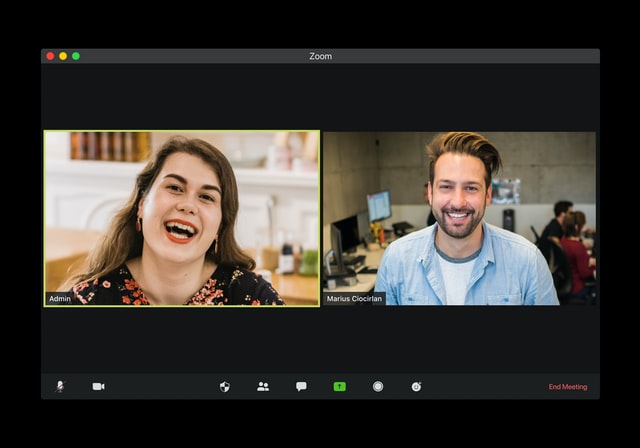
As workplace technology continues to evolve and telecommuting becomes a common practice, it’s crucial for employees like you to play your part in keeping our organization cyber-secure. After all, a cyber incident could lead to serious ramifications for our business—allowing hackers or cybercriminals to access employees’ personal information and other classified company data. Our Cyber Security Best Practices will help keep your business safe online.
By prioritizing proper cybersecurity measures, you can help protect our workplace from cyber incidents and ensure your own information stays safe as well.
Implement These Cyber Security Best Practices:
Pay attention—First and foremost, be sure to actively participate in all workplace cybersecurity training sessions and familiarize yourself with our applicable policies and procedures. This includes (but is not limited to) setting smart passwords, detecting common signs of phishing attacks and knowing how to safely store workplace devices.
Keep your home cyber-secure—While working remotely, it’s important to implement cybersecurity measures comparable to that of the workplace. This includes connecting to a secure Wi-Fi network, conducting regular software updates, enabling firewalls and installing antivirus protection.
Browse with caution—When browsing online, be mindful of cyber threats and scams. Never click on suspicious pop-ups, ads or links, and only use verified, well-known websites. If the website address is labeled as “not secure” or uses an unrecognizable domain, close your browser immediately.
Stay organized—A cluttered workspace and poorly organized digital files can make it difficult to keep track of important information and increase your vulnerability to cyber incidents. Try to clear your workstation of excess papers or garbage, and store important documents in secure locations. Further, save any critical digital files in their appropriate folders or online databases—don’t leave your desktop in disarray.
Know how to respond—Despite your best efforts, a cyber incident may still take place. That’s why it’s vital to be prepared and know how to respond in the event of an incident. Make sure you review our organization’s cyber incident response plan regularly and ask questions if you don’t understand something.
An Examination of Our Cyber Breach
Our office suffered a 3rd party cyber breach on July 10, 2019. We’ve put together a case study that explains what we experienced, the costs we incurred, what we learned, and what we would change .
If you have any further questions regarding workplace cybersecurity, talk to your supervisor and reach out to the IT department, if needed.
California’s Leader in Insurance and Risk Management
As one of the fastest growing agencies in California, GDI Insurance Agency, Inc. is able to provide its clients with the latest and greatest of what the insurance industry has to offer and much, much more. The GDI team has developed an “insurance cost reduction” quoting plan, that provides you with the best coverage at the best rate!
We are headquartered in Turlock, CA, with locations across the heart of California’s Central Valley, Northern California and beyond to provide a local feel to the solutions and services we provide our clients. We pride ourselves on exceeding our client’s expectations in every interaction to make sure that our client’s know how much we value and appreciate their business.
The past few months have seen multiple instances of aggression and violence against workers who attempted to enforce their establishment’s COVID-19 prevention policies and practices with customers. As a result, the Centers for Disease Control and Prevention (CDC) recently issued new guidance instructing employees not to force any customer who appears upset or potentially violent to comply with their workplace’s COVID-19 prevention requirements. Read on, find out how to handle COVID-19 policy disputes with customers.
In addition to this new guidance, the CDC also provided strategies to help employers reduce the risk of violence that may be aimed at their staff when implementing organizational standards to limit the spread of COVID-19. Keep reading to learn more about the CDC’s latest guidance and workplace violence prevention strategies in the midst of the COVID-19 pandemic.
Guidance for Handling COVID-19 Policy Disputes
The CDC’s new guidance encourages employees to avoid forcing any customers who seem upset or have the potential to be violent to follow their workplace’s COVID-19 prevention policies and practices. Such policies and practices may include the mandatory use of masks, social distancing standards or limits on the number of customers permitted within the establishment at any given time.
In the event that a customer does display any form of aggressive or violent behavior (e.g., using threats, yelling, swearing, insulting, hitting, slapping, kicking, pushing, choking, grabbing or any other malicious physical contact), the CDC recommends that employees remain calm, inform their supervisor and go to a safe area, if necessary.
While this guidance is for employees of all sectors, the CDC emphasized that workers in retail and other service industries are more likely to experience workplace aggression and violence. As such, employers and employees in these particular industries should be especially vigilant during the ongoing pandemic.
Workplace Violence Prevention Strategies
Apart from this new guidance, the CDC listed the following actions that employers can take to help prevent workplace violence during this time:
Clearly document your organization’s COVID-19 prevention policies and practices on your website and through workplace signage.
Consider assigning two employees to work as a team to enforce COVID-19 prevention standards.
Give customers options to limit contact with others (e.g., curbside pickup, personal shoppers, home deliveries or alternative shopping hours).
Implement steps for assessing and responding to workplace violence. Train employees on threat recognition, conflict resolution and nonviolent response methods.
Utilize security systems within your workplace and train staff on how to use them.
Establish a safe area for workers to go if they feel like they are in danger.
For additional CDC guidance on this topic, click here. Contact us today for the latest COVID-19 updates.
California’s Leader in Insurance and Risk Management
As one of the fastest growing agencies in California, GDI Insurance Agency, Inc. is able to provide its clients with the latest and greatest of what the insurance industry has to offer and much, much more. The GDI team has developed an “insurance cost reduction” quoting plan, that provides you with the best coverage at the best rate!
We are headquartered in Turlock, CA, with locations across the heart of California’s Central Valley, Northern California and beyond to provide a local feel to the solutions and services we provide our clients. We pride ourselves on exceeding our client’s expectations in every interaction to make sure that our client’s know how much we value and appreciate their business.
Contact us today 1-209-634-2929 for your comprehensive insurance quote!
Guidance on Tracking Hours of Work for Remote Employees
On Aug. 24, 2020, the U.S. Department of Labor (DOL) issued Field Assistance Bulletin No. 2020-5 to remind employers of their obligation to accurately account for the number of hours their employees work away from the employer’s facilities. While the bulletin was issued in response to the high number of employees working remotely because of the COVID-19 pandemic, the DOL is also reminding employers that the underlying principles apply to other telework or remote work arrangements. What you need to know if you have remote employees!
Remote EmployeeCompensable Time
The federal Fair Labor Standards Act (FLSA), requires employers to compensate their employees for all hours of work. Compensable time includes any hours an employee is requested or allowed to work, including telework or remote work.
For remote work situations, the bulletin clarifies that compensable time includes any time during which the employer knows or has reason to believe work is being performed, regardless of whether the work was authorized or requested.
Employer Obligations for Remote Employees
As a result, under the FLSA employers have an obligation to track the number of hours their employees work. For this reason, employers must provide reasonable procedures for employees to report any scheduled and unscheduled hours of work. However, the DOL is of the opinion that “if an employee fails to report unscheduled hours of work through a reasonable process, the employer is not required to undergo impractical efforts to uncover unreported hours of work.” Finally, the bulletin emphasizes that employers bear the burden of preventing an employee from completing unauthorized or unwanted work.
California’s Leader in Insurance and Risk Management
As one of the fastest growing agencies in California, GDI Insurance Agency, Inc. is able to provide its clients with the latest and greatest of what the insurance industry has to offer and much, much more. The GDI team has developed an “insurance cost reduction” quoting plan, that provides you with the best coverage at the best rate!
We are headquartered in Turlock, CA, with locations across the heart of California’s Central Valley, Northern California and beyond to provide a local feel to the solutions and services we provide our clients. We pride ourselves on exceeding our client’s expectations in every interaction to make sure that our client’s know how much we value and appreciate their business.
Contact us today 1-209-634-2929 for your comprehensive insurance quote!
The presence of unemployment-related scams has grown in the wake of the coronavirus (COVID-19) pandemic. Current unemployment scams include both fraudulent claims and unemployment-related phishing attempts. As many employers are currently dealing with the reality of a high amount of unemployment claims, organizations can take steps to prepare for fraudulent activity and to accurately identify legitimate requests. By taking proactive steps and preventive measures, your organization can be best prepared to identify and, if necessary, respond to fraudulent activity.
The Presence of Unemployment Scams
According to the U.S. Federal Trade Commission (FTC), scammers often file fraudulent unemployment claims, sometimes even for people who are not unemployed. And, unfortunately, many scams are not revealed until it is too late. Many scam artists may not even be located in the United States. With the coronavirus pandemic leading to unemployment rates as high as they’ve been since the economic crash in 2008, more unemployment claims are being processed than ever before. Scammers seek opportunity, and this niche has received enough attention to warrant a fraud alert from the FTC.
How Scams Happen
Unemployment-related scams can happen to a current or former employee—regardless of an employee’s role at an organization. While scams were also present pre-coronavirus, current unemployment scams primarily fall under the following categories:
Employers should be prepared to identify these types of fraudulent activities. By educating workforces, reviewing emails with caution and preparing appropriate scam responses, organizations can be better prepared for attempted fraud.
Preventing Scams
Employers can take certain steps, such as the following, to help prevent fraudulent activities:
Educate employees on how to identify phishing attempts—By building awareness of how to identify scams, employees can help prevent fraud. Employers may consider providing formal educational opportunities on how to identify phishing attempts and highlighting the importance of this topic using internal employee communications.
Train appropriate teams on how to identify unemployment claim scams—By investing in specific training sessions, employers may be able to help designated teams look out for common scams. For example, HR professionals who will be administrating or responding to unemployment claims should be well-informed on current scam tactics.
Review cybersecurity best practices—The FTC provides guidance, including a guide for small businesses, that organizations can use to help determine the best steps to take in their own organizations.
Communicate effectively with employees—While strong practices, education and training sessions can help prepare your workforce to prevent scams, employee buy-in will be key to effectively preventing fraudulent activity. Ensure education and communication regarding scams are ongoing initiatives so that employees remain up to date on how to help prevent scams.
Employers should be aware that there has been falsified information about unemployment scams being shared on the internet. Federal agencies, including the FTC, generally provide the most accurate and up-to-date resources.
Organizations can take steps to prevent fraudulent activities—appropriate efforts will vary due to unique aspects of your workplace, but proactive measures such as increased awareness can be an effective first line of defense.
Identifying Unemployment Scams
Government agencies and state representatives have standardized forms of messaging, which can be recognized by going through proper steps. According to a fraud alert issued by the DOL, the intent of phishing scammers is to have email recipients log in to an illicit account that impersonates the users’ personal accounts in order to steal various account numbers, passwords and Social Security numbers. Here are key points that employers should consider when receiving emails or evaluating unemployment-related internal practices:
Hover on and review links, but don’t click—By moving a mouse cursor over a link, you’ll be able to see the link without clicking and going to a potentially fraudulent site.
Know that state workforce agencies do not use secondary accounts—Real government agencies do not ask users to log in to external sites and will only ask for an email address if you are creating a user account on their websites.
Avoid following emailed directions to log in to a personal account—Common sites for which scammers have requested personal logins include Google, Microsoft, Apple and more. By logging in to what looks like one of these accounts, you may be providing your personal information, including a password, to scammers.
Responding to an Unemployment Scam
While employers and employees hope to avoid being victims of a scam in the first place, a timely and well-planned response can minimize damage and sometimes even prevent future fraudulent activity after a scam attempt does occur. The FTC offers the following steps for how to respond to a scam attempt:
Alert your workforce—Alert your employees that a scam has taken place and remind them of the need to be cautious. Ensure that employees know where to direct any notice from an entity claiming to be a government agency. This may be to a specified resource, such as IT.
Report the fraud—Best practices for reporting fraud vary by state, so check your state unemployment agency’s website for the correct instructions.
Retrain teams on what to look for—By investing in additional education on relevant scams, employers may be able to continue to help their teams look out for common scams.
Refer affected employees to identitytheft.gov—By reporting any fraudulent activity, including any identity theft, victims can get step-by-step help and the resources they need.
Ensure employees are aware of cybersecurity best practices—Effective cyber protection measures require buy-in from employees. Ensure employees are aware of how they can help prevent fraudulent activity.
Protecting Your Workplace
No workplace is immune to the threat of scams, and now is as good a time as ever to ensure your organization is taking adequate steps to both prevent and respond to any fraudulent activity. Employers should continue to follow guidance from the FTC and consult with local legal counsel when updating or changing policies. For additional resources, contact GDI Insurance Agency, Inc.
California’s Leader in Insurance and Risk Management
As one of the fastest growing agencies in California, GDI Insurance Agency, Inc. is able to provide its clients with the latest and greatest of what the insurance industry has to offer and much, much more. The GDI team has developed an “insurance cost reduction”quoting plan, that provides you with the best coverage at the best rate!
We are headquartered in Turlock, CA, with locations across the heart of California’s Central Valley, Northern California and beyond to provide a local feel to the solutions and services we provide our clients. We pride ourselves on exceeding our client’s expectations in every interaction to make sure that our client’s know how much we value and appreciate their business.
Contact us today 1-209-634-2929 for your comprehensive insurance quote!
Everyone knows that name-calling, teasing and other bullying behavior is unwelcome in the workplace. But what if the comments are veiled in humor? Jokes about “old farts” or “screen-obsessed millennials” might seem like acceptable office banter to some, but these comments may amount to ageism and could seriously impact an organization—and should be quickly snuffed out when noticed. It’s important to make generational jabs in the workplace unacceptable.
This article explains some of the ways offhand comments or generational jabs can affect a workplace and outlines steps employers can take to combat their spread.
The Scope of Ageist Comments
Ageism is a prejudice against people of certain ages. These views are typically seen in flippant comments that call attention to someone’s age. In practice, these prejudices can limit productivity, stifle communication and expand interpersonal rifts. Like other prejudices, ageist comments should not be tolerated in the workplace. And, given the labor market forecast, employers should be acting now.
There will be 42 million workers over the age of 55 in the workforce by 2026, according to the U.S. Bureau of Labor Statistics. Employers who wait to address ageism issues will be significantly disadvantaged among this population.
What Ageist Comments Look Like
Just like accusations of racism or sexism, some individuals may have different interpretations of an ageist situation. In other words, it’s sometimes difficult to prove that a comment or action was related to prejudiced views.
Regardless, employees should never have to question whether a comment or action was prejudiced—such behavior should be clearly defined as inappropriate. As such, here are some examples of ageist comments:
Using the phrase “OK, Boomer” in response to a colleague’s comment
Attributing a co-worker’s mistake to their age
Using phrases like “they’ve been around the block,” “at your age” or similar offhand remarks (no matter how innocuous the comments may seem)
Changing topics in a conversation and explaining it’s because one of the listeners won’t understand due to their age
Legal Considerations
Beyond interpersonal issues, seemingly harmless comments can leave room for age-discrimination cases. Age discrimination is a serious accusation, since age is a protected employment status (for workers ages 40 and older). Even though the burden of proof is on the employee, being faced with a lawsuit—regardless of fault—can be financially crippling. That’s why employers should do everything they can to address ageism and other discrimination periodically. Briefly addressing these issues in onboarding training may not be sufficient for protecting an organization from potential discrimination claims.
What Employers Can Do About Generational Jabs
Prohibiting ageist comments can help discourage their proliferation, but that doesn’t guarantee they’ll vanish. Prejudiced viewpoints may persist even if individuals aren’t speaking their minds. That’s why training can be valuable for reinforcing appropriate communication behavior.
Some employers are requiring workers to complete conflict resolution training as a way to combat ageism and other discriminatory views. In these trainings, employees can role-play and learn to see comments from other perspectives.
Other organizations are focusing on implicit bias training. This training focuses less on resolving apparent conflicts and more on informing participants of biases they may not know they have. This perspective can be especially valuable among diverse teams who are experiencing issues but are unsure as to the cause.
Generational Jabs in Your Workplace
Getting employees to stop cracking jokes isn’t likely to happen. However, thoughtful training can make them understand how damaging some jokes can be.
Don’t risk a potential age-discrimination claim. Assess how your organization addresses workplace prejudices and consider areas that need expanding.
Speak with GDI Insurance Agency, Inc. for more information on this and other workplace topics.
California’s Leader in Insurance and Risk Management
As one of the fastest growing agencies in California, GDI Insurance Agency, Inc. is able to provide its clients with the latest and greatest of what the insurance industry has to offer and much, much more. The GDI team has developed an “insurance cost reduction” quoting plan, that provides you with the best coverage at the best rate!
We are headquartered in Turlock, CA, with locations across the heart of California’s Central Valley, Northern California and beyond to provide a local feel to the solutions and services we provide our clients. We pride ourselves on exceeding our client’s expectations in every interaction to make sure that our client’s know how much we value and appreciate their business.
In response to the COVID-19 pandemic, day cares and schools shut their doors. Months later, child care centers remain closed in many parts of the country, which means that parents are tasked with juggling caregiving and work responsibilities. In fact, according to a survey from Boston Consulting Group (BCG), 60% of U.S. parents report that they’ve had no outside help with child care during the pandemic. Employees’ caregiving responsibilities post-coronavirus are difficult to say the least.
Balancing work and caregiving responsibilities can be difficult and can contribute to decreased productivity, poor mental health and increased stress among employees. As a potential second wave of COVID-19 cases looms in the future, schools and day cares may remain closed in the fall and beyond. Parents are faced with the decision about in-person education, virtual learning or home schooling. While much attention is given to parents trying to balance their professional responsibilities—likely at home—with home-schooling and taking care of their children, there are also millions of people who are juggling remote work and elder care.
Employers across the country are implementing initiatives to help employees manage caregiving responsibilities during the pandemic.
The Importance of Supporting Employees’ Caregiving Responsibilities Post-coronavirus
During these uncertain times, employees are understandably experiencing significant stress—which can lead to lower productivity and morale, and increase their risk for health conditions, absenteeism and higher health care costs.
Regardless of whether your business is asking employees to physically return to the workplace or employees are working remotely from home, it’s important that you implement initiatives designed to help employees manage their caregiving responsibilities.
The FFCRA Impact on Employers
Employers should familiarize themselves with new leave requirements:
The Families First Coronavirus Response Act (FFCRA) provides employees with paid leave for reasons related to COVID-19.
The Emergency Family and Medical Leave Expansion Act requires employers to provide 12 weeks of leave to employees to care for a child whose school or care facility has closed.
The Emergency Paid Sick Leave Act requires employers to provide 80 hours of paid sick time to employees.
What Are Other Employers Doing?
According to the same BCG survey, the following initiatives were most commonly being offered to employees:
Work-from-home arrangements
Workplace flexibility
Paid or unpaid family leave
Employer-sponsored child care for essential workers
How employers are helping employees manage caregiving responsibilities during the pandemic varies—and there are considerations for employers to review to best support their base of employees.
Actions for Employers
Especially if faced with hardships as a result of the pandemic, flexible workplace policies can help organizations rebound quickly as soon as business improves. Consider the following general employment best practices:
Monitor compensation practices and performance appraisal systems for patterns of potential discrimination against caregivers. Ensure that performance appraisals are based on employees’ actual job performance and not on stereotypes about caregivers.
Review workplace policies that limit employee flexibility to ensure they are necessary for business operations. Examples of such policies include fixed hours of work and mandatory overtime.
Encourage employees to request flexible work arrangements that allow them to balance work and personal responsibilities. Arrangements may include flextime programs, compressed work weeks, telecommuting, part-time work and job sharing.
If overtime is required, make it as family-friendly as possible. Determine whether a voluntary, rather than mandatory, overtime system would meet the needs of the organization. If not, permit employees to schedule overtime in advance so they can arrange for caregiving responsibilities.
Reassign job duties that employees are unable to perform because of pregnancy or other caregiving responsibilities.
Provide reasonable personal or sick leave to allow employees to engage in caregiving even if not required to do so by the FMLA.
Post employee schedules as early as possible for positions that have changing work schedules. That’ll help employees arrange in advance for caregiving responsibilities.
Promote an inclusive workplace culture. Cultivate a professional work environment that recognizes and appreciates the contributions of all workers and demonstrates respect for employees’ personal lives.
Remember, not every initiative will be the right one for you and your company. Be sure to carefully evaluate the pros and cons of each initiative, and realistically assess whether it’s a feasible option.
Putting Employees First
Since burnout is the result of prolonged and chronic workplace stress, it’s important to know how to recognize the signs—both physical and non-physical—of workplace stress.
While it may not be possible to eliminate job stress altogether for your employees, you can help them by:
Encouraging employees to utilize their paid time off
Incorporating company-sponsored activities to give employees a reason to leave their desks and take a break
Training managers on how to keep employees engaged and motivated at work, and how to address burnout with employees
For More Information
Burnout is a serious syndrome that may be affecting your employees. As such, it’s important that you recognize the signs of burnout and take steps to prevent it at your workplace. As everyone is navigating the COVID-19 pandemic, that can start with recognizing and accommodating employees’ caregiving responsibilities.
California’s Leader in Insurance and Risk Management
As one of the fastest growing agencies in California, GDI Insurance Agency, Inc. is able to provide its clients with the latest and greatest of what the insurance industry has to offer and much, much more. The GDI team has developed an “insurance cost reduction” quoting plan, that provides you with the best coverage at the best rate!
We are headquartered in Turlock, CA, with locations across the heart of California’s Central Valley, Northern California and beyond to provide a local feel to the solutions and services we provide our clients. We pride ourselves on exceeding our client’s expectations in every interaction to make sure that our client’s know how much we value and appreciate their business.
Contact us today 1-209-634-2929 for your comprehensive insurance quote!
We use cookies to optimize our website and our service.
Functional cookies
Always active
The technical storage or access is strictly necessary for the legitimate purpose of enabling the use of a specific service explicitly requested by the subscriber or user, or for the sole purpose of carrying out the transmission of a communication over an electronic communications network.
Preferences
The technical storage or access is necessary for the legitimate purpose of storing preferences that are not requested by the subscriber or user.
Statistics
The technical storage or access that is used exclusively for statistical purposes.The technical storage or access that is used exclusively for anonymous statistical purposes. Without a subpoena, voluntary compliance on the part of your Internet Service Provider, or additional records from a third party, information stored or retrieved for this purpose alone cannot usually be used to identify you.
Marketing
The technical storage or access is required to create user profiles to send advertising, or to track the user on a website or across several websites for similar marketing purposes.