How Social Distancing is Impacting Workplace Culture
As the coronavirus pandemic continues to evolve, one guideline that is likely to last beyond this year is social distancing. Employers have a responsibility to keep employees healthy and safe, and that duty is informing their return-to-work strategies. For instance, some organizations are keeping employees at home to work remotely for the foreseeable future. Other organizations are reconfiguring office layouts to lower capacity and considering safety measures like temperature checks and staggered shifts. Social distancing is impacting workplace culture, read the tips below to help keep your workplace culture strong.
No matter what an organization decides, its initiatives should be true to the company’s mission and values. As employers deliberate on new policies or procedures in response to the pandemic, it’s important to consider how those efforts might impact company culture and vice versa.
A strong workplace culture doesn’t need an actual office to thrive. True culture is based on the values that unify the workplace and employees, regardless of physical location. The pandemic continues to prove this true for many organizations that have moved the workday online.
Staying Socially Connected
Social connectivity encourages camaraderie. Humans are social creatures who crave interaction. According to a PricewaterhouseCoopers survey, the number one reason employees go into the office is to collaborate with other team members.
Given this, it’s not likely for employees to immediately feel included in the workplace culture when they’re virtually working miles apart or forced to physically avoid co-workers.
So, how can employers support and cultivate collaboration in today’s socially distant workplace? Regardless of whether employees are working in the office or working from home, here are some ways to enhance workplace culture and connectivity amid social distancing:
Embrace flexibility and ensure employees know their health and safety are top priorities. Continue to adapt, support employees and keep the lines of communication open.
Facilitate collaboration by investing in resources such as video conferencing technology, project management tools and collaborative workspaces. The goal is to make it as easy to communicate as it was prior to the pandemic, ultimately improving employee productivity.
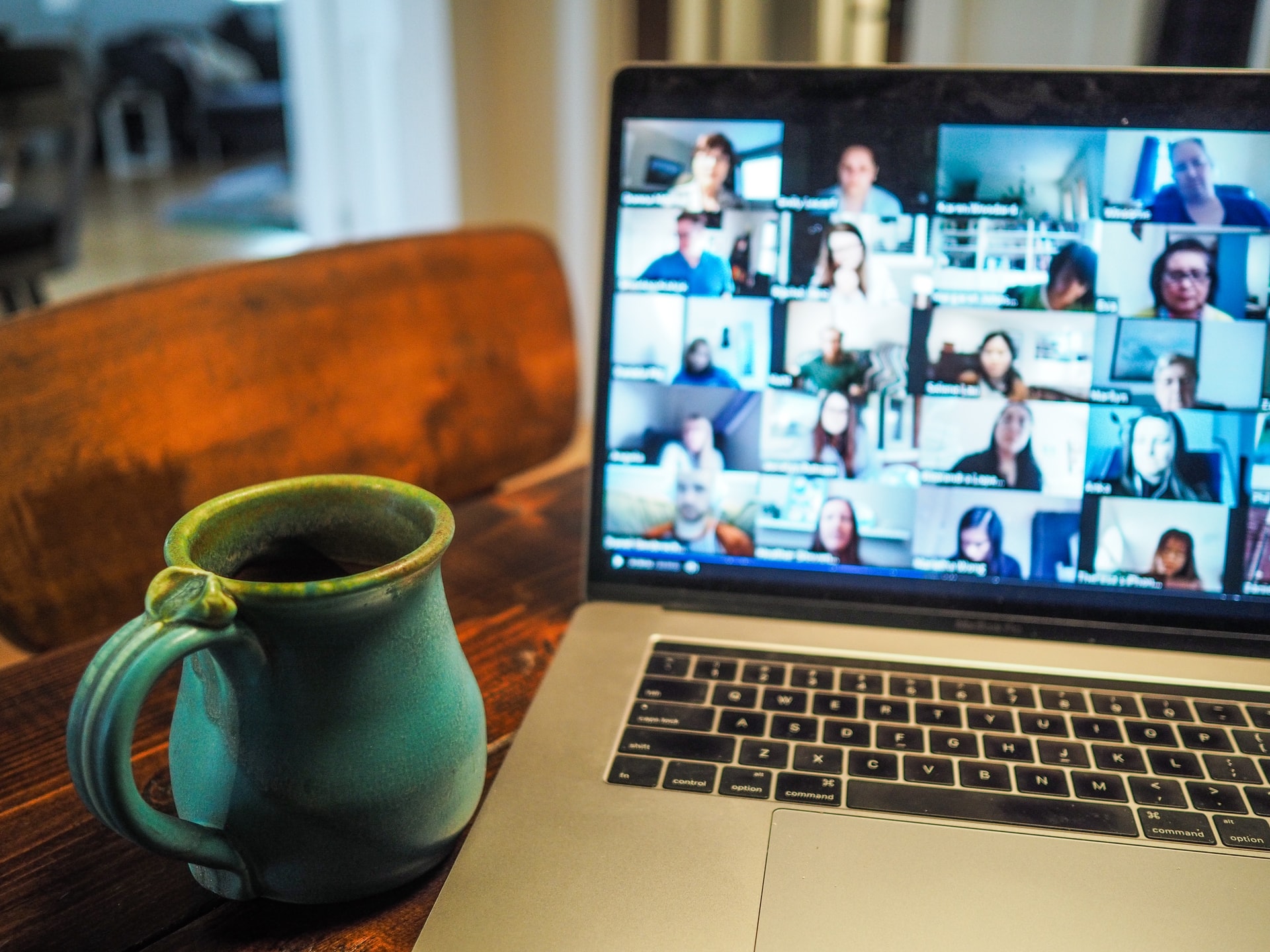
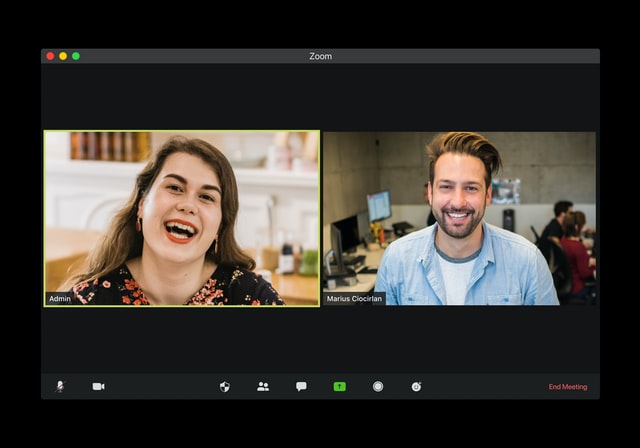
Encourage video calls for teams or departments to regularly check in with each other. Start with once a week and increase if needed or desired by the group. Video will help employees feel connected by seeing their co-workers on a screen. The discussion doesn’t need to be project-related, but can be more of a check-in to see how people are doing—especially if they are working remotely and balancing other responsibilities.
Schedule virtual social gatherings for employees to enjoy a cup of coffee, their lunch or a happy hour together. Keep these informal to preserve an organization’s sense of fun.
Consider altering annual company events so they can still happen. Employees often look forward to companywide events, so it’s important to consider how to host them in a safe and engaging way.
Other Considerations for Social Distancing and Workplace Culture
Organizations can design a workplace that encourages social distancing, but it must be paired with consistent policy enforcement. It’s impossible to control the actions of every employee who walks through the door or to expect desk layouts to fundamentally change people’s behavior.
As the pandemic continues, some Americans are reporting pandemic fatigue. That may lead to employees—consciously or unconsciously—disregarding workplace policies and acting less cautiously than they were at the pandemic’s onset. As a result, morale could be impacted if employees feel uncomfortable with co-workers’ behaviors in the workplace.
Today’s workplace will continue to evolve just as the pandemic does. To learn more, contact GDI Insurance Agency, Inc. today.
California’s Leader in Insurance and Risk Management
As one of the fastest growing agencies in California, GDI Insurance Agency, Inc. is able to provide its clients with the latest and greatest of what the insurance industry has to offer and much, much more. The GDI team has developed an “insurance cost reduction” quoting plan, that provides you with the best coverage at the best rate!
We are headquartered in Turlock, CA, with locations across the heart of California’s Central Valley, Northern California and beyond to provide a local feel to the solutions and services we provide our clients. We pride ourselves on exceeding our client’s expectations in every interaction to make sure that our client’s know how much we value and appreciate their business.
In light of the coronavirus (COVID-19) pandemic, many organizations are taking precautions to best ensure the health and safety of their workforce. As return-to-work guidance plans are implemented, employees are also concerned about safety—and are often addressing concerns directly with their employers. These are the most common return-to-work guidance concerns.
As organizations address new challenges, many are seeking answers regarding what they can, and cannot do in response to common return-to-work concerns. This article serves as a general guide for employers regarding safety and workplace precautions as organizations prepare and implement return-to-work plans, and prepare to address common concerns as employees return to the workplace.
Employee and Employer Rights
Both employees and employers have rights, and—as workers return to the workplace and organizations consider appropriate actions to keep everyone safe—conversations about those rights will be ongoing.
During this time, employees are prioritizing safety, and they won’t be afraid to address issues they feel may be a risk. As employees bring forward individual concerns, employers should review the return-to-work guidance as they respond to each unique situation. While, in some cases, employees may be protected under federal or local laws and guidelines, employers should be aware of what rights they also have.
Common Issues with Return-to-Work Guidance
Each organization will address their own set of concerns, though there are some common issues that many employers face. Some of these common issues fall into categories, including:
Employers should be aware that federal, local and state guidance changes frequently and should be monitored on an ongoing basis. The U.S. Equal Employment Opportunity Commission (EEOC) has provided COVID-19 resources, and the Centers for Disease Control and Prevention (CDC) offers updated guidance for employers.
Employers should be aware that these considerations will vary depending on the locality of a workplace. The guidelines provided in the questions and answers that follow are not legal advice, and employers should consult with legal counsel for guidance, and before changing or implementing policies.
Employees Returning to Work
We’ve asked an employee to come back to work, but they are having an issue with caregiving responsibilities due to schools and day cares remaining closed. What are our options?
School and day care closings can put both employers and caregivers in a difficult situation since schools and day cares allow for many caregivers to go to work. Generally, employers aren’t required to oblige to requests regarding caregiving, and likely won’t be able to help the employee address the situation. An employee may request an unpaid leave of absence.
If an employee refuses to return to work, employers generally won’t be required to hold their job should they not return. According to the EEOC, employers may choose to provide flexibility if not treating employees differently on the basis of sex or other EEO-protected characteristics.
We have employees who have been working from home and would like them to come back to the workplace as we reopen. Can we require employees to come back to work at a physical location?
Generally, if employees are offered work and are being asked to come back into the workplace, they are required to return as there are little protections at the federal level. However, under the Americans with Disabilities Act (ADA), some employees may be entitled to continue teleworking as a reasonable accommodation. As well, under the Families First Coronavirus Response Act, some employees may qualify for paid family medical leave or paid sick leave under certain conditions related directly to COVID-19.
An employee used some time off. Are we allowed to ask where they went?
Employers may ask if an employee has visited certain high-risk locations during the coronavirus pandemic if consistent with business necessity. However, employers are unable to ask for general details about their time off. When health officials have recommended that people who visit certain locations remain at home for several days once they return, an employer may ask whether an employee is returning from those places, even if the travel was personal.
If an employee has traveled internationally, the U.S. Department of Homeland Security (DHS) may ask an employee where they went and could ask that employee to self-quarantine. As some states have specific laws related to an employee’s personal travel, employers should consult their local government’s laws and guidelines.
Though our workplace follows safety guidelines, an employee is concerned about exposure on their commute. What are our options?
If an employee doesn’t qualify under for reasonable accommodation under the ADA, an employer won’t always be required to grant permission for the employee to work remotely. While many employers continue to expand remote work practices, telecommuting isn’t always feasible. Employers can also consider unpaid leave, depending on the feasibility of the situation.
Return-to-Work Guidance onCOVID-19 Symptoms
About which symptoms can we ask employees who report feeling ill or call in sick?
According to the EEOC, an ADA-covered employer may ask employees if they have specific symptoms related to the coronavirus under pandemic conditions. All medical information should be protected as confidential under the ADA and be stored separately from the employee’s personnel file.
Can we require employees who have COVID-19-related symptoms to stay home?
According to the EEOC, employers are allowed to keep employees with COVID-19-related symptoms separate from others and keep them at home.
Employee Testing
Can we take temperatures of employees?
Taking an employee’s temperature would typically be considered a medical examination, which could be a violation of the ADA if not “job related and consistent with business necessity.” However, because the CDC and health authorities have acknowledged community spread of the coronavirus, employers may take employees’ temperatures, according to EEOC guidance. Employers should note that many individuals with COVID-19 will not have a fever.
Employers will continue to be able to take temperatures, only for as long as the EEOC and CDC deem these otherwise prohibited medical examinations as necessary to prevent the spread of COVID-19. Additionally, the ADA requires that all medical information and files for a particular employee be stored separately from that employee’s personnel file.
Can we require employees to take a COVID-19 test in order to work?
According to EEOC guidelines, to prevent COVID-19 from spreading in a workplace, organizations can typically require an employee to take a test to check whether they currently have an active case of COVID-19, which is considered a viral test.
While employers are allowed to require viral COVID-19 tests, an employer cannot require an employee to take a test to determine whether they have antibodies for the coronavirus. The antibody tests determine whether an individual has had COVID-19 in the past. According to the EEOC, an antibody test may violate the ADA because it would be a medical examination that is not “job related and consistent with business necessity.”
Masks and Face Coverings
If any employees find a mask uncomfortable, can we require them to wear it?
According to the EEOC, an employer may require employees to wear masks. As a form of personal protective equipment (PPE), masks and other PPE can be required if management considers it necessary.
However, an employee may be eligible for reasonable accommodation under the ADA or a religious accommodation under Title VII. If a request is presented, an organization can review the request and discuss an accommodation if not an undue hardship under the ADA.
Return-to-Work Guidance and Health Conditions
Are we allowed to ask employees if they have underlying health conditions that may put them in a high-risk category?
According to the EEOC, it is up to an employee to disclose any underlying health conditions that put them in a COVID-19 high-risk category. These protections are covered under the ADA.
When employees return to work after being sick with COVID-19, can we require they provide a doctor’s note clarifying they are safe to work?
In certain circumstances, employers may be able to require a doctor’s note during a pandemic, according to the EEOC. A request for a doctor’s note won’t necessarily violate the ADA, as such inquiries are permitted under the ADA when not disability-related. Employers may consider that many doctors and other health care professionals may be busy during and immediately after a pandemic such as COVID-19.
If an employee has an underlying health condition, can we require they return to work?
Under the ADA, an employee or a third party, such as the employees’ doctor, can request a reasonable accommodation related to a medical condition. An organization may be required to provide reasonable accommodation if it would not provide undue hardship.
Are pregnant employees identified as high-risk for COVID-19?
According to CDC guidelines, pregnant women aren’t identified as high-risk. However, some states have specific laws and guidelines regarding pregnancy and COVID-19. Check with local guidance for specifics.
Workers’ Compensation and Hazard Pay
If an employee contracts COVID-19 in our workplace, are they eligible for workers’ compensation?
Workers’ compensation may be filed; however, infectious diseases such as the flu have generally not resulted in entitlements to workers’ compensation. But this can vary. According to the DOL, It can often be challenging to prove that an employee contracted a virus or disease, such as COVID-19, at a work location. However, some states do have orders or bills addressing eligibility for workers’ compensation. Employers should monitor ongoing guidance and consult with local legal counsel.
Are independent contractors who contract COVID-19 eligible for workers’ compensation?
If an independent contractor believes they contracted COVID-19 while at work, they may file a lawsuit. Generally, these cases are challenging to prove. However, an independent contractor may make a claim for negligent behavior and safety hazards that put them at risk of contracting COVID-19.
An employee has contracted COVID-19 and believes they got it at work. What will likely be the result if they sue our organization?
According to the DOL, it can often be challenging to prove that an employee contracted a virus or disease at a workplace, although the employee may choose to file a lawsuit. However, an employee may also make a claim for negligent behavior or safety hazards that put them at risk of contracting COVID-19.
Are our employees entitled to hazard pay if their job puts them at risk of exposure to COVID-19?
The FLSA does not require hazard pay for those working during the coronavirus pandemic. Hazard pay is typically a private transaction and not required under the FLSA. However, some state or local laws may vary, and employers should consult with local legal counsel.
Federal Return-to-Work Guidance
What should our organization do if an employee claims our workplace is not following CDC guidelines for a coronavirus-safe workplace?
Employees are entitled to file a complaint with OSHA. As employers address an employee’s concerns, the proper response will vary based on local orders and unique circumstances within an organization. Some state or local laws may vary, and employers should consult with local legal counsel.
If an employee addresses safety practices, is our organization required to respond?
According to the U.S. Department of Labor (DOL), whistleblower laws protect employees and are enforced by OSHA. Retaliatory actions are illegal, and employees do have the right to file a complaint with OSHA. Also, workers may request a reasonable accommodation, and they do have some protections if they refuse to work in a situation when workplace conditions could put their safety in danger.
If a COVID-19 vaccine is developed, can we require our employees to get it?
Employers generally can require vaccinations during pandemic situations. However, an employee may be entitled to an exemption should the vaccine interfere with a medical condition or be in violation of an individual’s religious beliefs.
Return-to-Work Guidance
Many of these common concerns won’t always have the same solution, and employers should continue to monitor ongoing guidance from federal agencies such as the CDC, EEOC and OSHA, as well as updates from local officials. Current guidance is changing rapidly, so ensure your organization is staying up to date with current requirements, recommendations and best practices.
The guidelines discussed in this article are not legal advice. Employers should consult with local legal counsel for legal advice. For addition return-to-work resources, contact GDI Insurance Agency, Inc.
California’s Leader in Insurance and Risk Management
As one of the fastest growing agencies in California, GDI Insurance Agency, Inc. is able to provide its clients with the latest and greatest of what the insurance industry has to offer and much, much more. The GDI team has developed an “insurance cost reduction” quoting plan, that provides you with the best coverage at the best rate!
We are headquartered in Turlock, CA, with locations across the heart of California’s Central Valley, Northern California and beyond to provide a local feel to the solutions and services we provide our clients. We pride ourselves on exceeding our client’s expectations in every interaction to make sure that our client’s know how much we value and appreciate their business.
Contact us today 1-209-634-2929 for your comprehensive insurance quote!
Everyone knows that name-calling, teasing and other bullying behavior is unwelcome in the workplace. But what if the comments are veiled in humor? Jokes about “old farts” or “screen-obsessed millennials” might seem like acceptable office banter to some, but these comments may amount to ageism and could seriously impact an organization—and should be quickly snuffed out when noticed. It’s important to make generational jabs in the workplace unacceptable.
This article explains some of the ways offhand comments or generational jabs can affect a workplace and outlines steps employers can take to combat their spread.
The Scope of Ageist Comments
Ageism is a prejudice against people of certain ages. These views are typically seen in flippant comments that call attention to someone’s age. In practice, these prejudices can limit productivity, stifle communication and expand interpersonal rifts. Like other prejudices, ageist comments should not be tolerated in the workplace. And, given the labor market forecast, employers should be acting now.
There will be 42 million workers over the age of 55 in the workforce by 2026, according to the U.S. Bureau of Labor Statistics. Employers who wait to address ageism issues will be significantly disadvantaged among this population.
What Ageist Comments Look Like
Just like accusations of racism or sexism, some individuals may have different interpretations of an ageist situation. In other words, it’s sometimes difficult to prove that a comment or action was related to prejudiced views.
Regardless, employees should never have to question whether a comment or action was prejudiced—such behavior should be clearly defined as inappropriate. As such, here are some examples of ageist comments:
Using the phrase “OK, Boomer” in response to a colleague’s comment
Attributing a co-worker’s mistake to their age
Using phrases like “they’ve been around the block,” “at your age” or similar offhand remarks (no matter how innocuous the comments may seem)
Changing topics in a conversation and explaining it’s because one of the listeners won’t understand due to their age
Legal Considerations
Beyond interpersonal issues, seemingly harmless comments can leave room for age-discrimination cases. Age discrimination is a serious accusation, since age is a protected employment status (for workers ages 40 and older). Even though the burden of proof is on the employee, being faced with a lawsuit—regardless of fault—can be financially crippling. That’s why employers should do everything they can to address ageism and other discrimination periodically. Briefly addressing these issues in onboarding training may not be sufficient for protecting an organization from potential discrimination claims.
What Employers Can Do About Generational Jabs
Prohibiting ageist comments can help discourage their proliferation, but that doesn’t guarantee they’ll vanish. Prejudiced viewpoints may persist even if individuals aren’t speaking their minds. That’s why training can be valuable for reinforcing appropriate communication behavior.
Some employers are requiring workers to complete conflict resolution training as a way to combat ageism and other discriminatory views. In these trainings, employees can role-play and learn to see comments from other perspectives.
Other organizations are focusing on implicit bias training. This training focuses less on resolving apparent conflicts and more on informing participants of biases they may not know they have. This perspective can be especially valuable among diverse teams who are experiencing issues but are unsure as to the cause.
Generational Jabs in Your Workplace
Getting employees to stop cracking jokes isn’t likely to happen. However, thoughtful training can make them understand how damaging some jokes can be.
Don’t risk a potential age-discrimination claim. Assess how your organization addresses workplace prejudices and consider areas that need expanding.
Speak with GDI Insurance Agency, Inc. for more information on this and other workplace topics.
California’s Leader in Insurance and Risk Management
As one of the fastest growing agencies in California, GDI Insurance Agency, Inc. is able to provide its clients with the latest and greatest of what the insurance industry has to offer and much, much more. The GDI team has developed an “insurance cost reduction” quoting plan, that provides you with the best coverage at the best rate!
We are headquartered in Turlock, CA, with locations across the heart of California’s Central Valley, Northern California and beyond to provide a local feel to the solutions and services we provide our clients. We pride ourselves on exceeding our client’s expectations in every interaction to make sure that our client’s know how much we value and appreciate their business.
National Safety Stand-down to Prevent Falls in Construction
Fatalities caused by falls from elevation continue to be a leading cause of death for construction employees. In fact, according to the Bureau of Labor Statistics, falls account for more than 30% of fatalities in the construction industry. Those deaths are preventable. The National Safety Stand-down to Prevent Falls in Construction raises fall hazard awareness across the country in an effort to stop fall fatalities and injuries.
As an employer, you have a duty to protect your workers from falls, and we’re here to help. We have developed this toolkit to arm you with the information and resources you need to conduct a successful safety stand-down. In this toolkit you will find information about the National Safety Stand-down, toolbox talks to help prevent falls, a Construction Industry Fall Protection Safety Program, posters to help bring awareness to the stand-down and much more.
Remember, GDI Insurance Agency, Inc. is here for your business. Contact us today to discuss your insurance and risk management needs.
A safety stand-down is a voluntary event for employers to talk directly to employees about safety. The National Safety Stand-down to Prevent Falls in Construction focuses on fall hazards and reinforcing the importance of fall prevention.
When is the National Safety Stand-down to Prevent Falls in Construction?
The stand-down will be held over one week, from Sept. 14-18, 2020. It will be held in conjunction with the North American Occupational Safety and Health (NAOSH) Safety Week.
How do Businesses Conduct a Safety Stand-down?
Companies can conduct a safety stand-down by taking a break to have a toolbox talk or another safety activity such as conducting safety equipment inspections, developing rescue plans or discussing job-specific hazards. A safety stand-down should provide an opportunity for employers and employees to talk about hazards, protective methods and the company’s safety policies, goals and expectations.
Who can Participate in a Safety Stand-down?
Anyone interested in educating employees in fall hazards, or other job hazards, can participate. In past years, participants included general contractors; sub-and independent contractors; employers’ trade associations; federal, state and local governmental agencies; professional societies and institutes; and consumer/labor-management interest organizations. Millions of employees across all 50 states and internationally have participated in previous stand-downs.
How does a Business Participate, and How do They Get a Certificate of Participation?
Participation is easy. Hold a stand-down and visit the OSHA National Safety Stand-down website to download a certificate. Employers will be able to provide feedback and download certificates of participation based on their experience. The certificate pages will be active on Sept. 14 at OSHA’s Stop Falls Stand-down and on the National Safety Council’s (NSC) webpages.
Our business received a certificate of participation for past stand-downs, why should we get another one?
One of the most important reasons you should participate through gaining a certificate is to demonstrate your commitment to fall prevention and other safety issues on the job site to your employees. Employees and other employers alike recognize the importance of demonstrated top-level commitment to promoting a positive safety culture. There are platinum, gold, silver and bronze certificates, depending on how many years you have participated. OSHA and our partners also use the attendance data and feedback from the certificate form submission to enhance and further improve this event for the future.
We are not a construction company; can we still participate in the Safety Stand-down?
Yes, you can. Participation is not limited to the construction industry, and no business is too small to participate. In previous years, many non-construction employers held stand-downs. In fact, the largest single participant in 2015 and 2016 was the United States Air Force, reaching more than 1 million military and civilian personnel. The smallest company to receive a certificate had only one employee, and nearly half of certificates for participation completed through OSHA’s website were for stand-downs with less than 25 employees.
We are a small company with just a few employees; can we still participate in the Safety Stand-down?
Yes. Any number of people can hold a stand-down. Companies and businesses of all sizes should take time out during the workday to discuss fall prevention with their employees, and participate in the stand-down. You can also find a larger stand-down event in your area.
How can we get an OSHA Representative to participate in our Stand-down?
We would like to participate in a Safety Stand-down Event, is there a list we can use to find an event?
A list of events in your area can be found by visiting OSHA’s National Safety Stand-down website. These events are free and open to the public. Attendees of these events must cooperate with the host employers’ site access and safety rules.
How can we get our safety stand-down event listed on the OSHA website?
OSHA lists events that are free and open to the public. This webpage helps employers and employees find stand-down events that they can attend in their area. Contact your regional stand-down coordinator to learn more.
Do we need to preregister for the stand-down?
No. The stand-down is free, and you do not have to register to participate. Simply hold a stand-down with your employees during the week of the National Safety Stand-down to Prevent Falls in Construction, then go online to tell us about your stand-down and download a certificate of participation at OSHA’s Stop Falls Stand-down or National Safety Council’s (NSC) webpage after your stand-down event.
How long does a typical fall prevention stand-down take to conduct?
It’s up to you. A stand-down could be as simple as a 15-minute toolbox talk or several hours of training over a week.
Source: OSHA
Ways to Prepare for a Successful Stand-down to Prevent Falls
Try to start early. Designate a coordinator to organize the stand-down. If you have multiple work sites, identify the team that will lead the stand-down at each site.
Think about asking your subcontractors, owners, architects, engineers or others associated with your project to participate in the stand-down.
Consider reviewing your fall prevention program. This will help provide a more effective stand-down.
What types of falls could happen:
Falls from ladders
Falls from a roof
Falls from a scaffold
Falls down stairs
Falls from a structural steel
Falls through a floor or roof opening
Falls through a fragile roof surface
What needs improvement? Is your program meeting its goals? Are you experiencing fatalities, injuries or near misses? Are employees aware of the company’s fall protection procedures?
What training have you provided to your employees? Does it need revision?
What equipment have you provided to your employees? Is better equipment available?
Develop presentations or activities that will meet your needs. Decide what information will be best for your workplace and employees. The meeting should provide information to employees about hazards, protective methods and the company’s safety policies, goals and expectations. Hands-on exercises (e.g., a work site walk-around and equipment checks) can increase retention.
Decide when to hold the stand-down and how long it will last. Decide if the stand-down will take place over a break, a lunch period or some other time.
Promote the stand-down. Try to make it interesting to employees. Some employers find that serving snacks increases participation.
Hold your stand-down. Try to make it positive and interactive. Let employees talk about their experiences and encourage them to make suggestions.
Follow up. If you learned something that could improve your fall prevention program, consider making changes.
Source: OSHA
California’s Leader in Insurance and Risk Management
As one of the fastest growing agencies in California, GDI Insurance Agency, Inc. is able to provide its clients with the latest and greatest of what the insurance industry has to offer and much, much more. The GDI team has developed an “insurance cost reduction” quoting plan, that provides you with the best coverage at the best rate!
We are headquartered in Turlock, CA, with locations across the heart of California’s Central Valley, Northern California and beyond to provide a local feel to the solutions and services we provide our clients. We pride ourselves on exceeding our client’s expectations in every interaction to make sure that our client’s know how much we value and appreciate their business.
The virus that causes COVID-19 is new, and what we know about it changes rapidly. The Centers for Disease Control and Prevention (CDC) has developed interim guidance for how health care providers, laboratories and public health staff should use antibody tests. These tests look for the presence of antibodies, which are proteins made in response to infections.
This article will provide an overview of using antibody tests for preventing the spread of COVID-19.
What are Antibodies?
Antibodies are detected in the blood of people who are tested after infection; they show the body’s efforts to fight off a specific infection.
Antibodies start developing within one to three weeks after infection. The CDC doesn’t currently have enough information yet to say whether someone will definitely be immune and protected from reinfection if they have antibodies to the virus that causes COVID-19.
COVID-19 Antibody Tests
In general, a positive antibody test is presumed to mean a person has been infected with SARS-CoV-2, the virus that causes COVID-19, at some point in the past. It does not mean they are currently infected.
Health care providers who use antibody tests must know how the different tests work and use caution when interpreting test results:
If someone tests positive for COVID-19 antibodies but does not really have those specific antibodies, the result is a false positive. Similarly, if someone tests negative for COVID-19 antibodies but does really have those specific antibodies, the result is a false negative.
The Food and Drug Administration (FDA) has authorized antibody tests for this virus that have been submitted for their review. But these tests are not 100% accurate, and some false positive results or false negative results may occur.
A higher percentage of positive results may be false positives when these tests are used in people who live or work in an area where very few people have had COVID-19.
Antibody Test Results
People who receive positive results on an antibody test but don’t have symptoms of COVID-19 or have not been around someone who may have COVID-19 are not likely to have a current infection. They can continue with normal activities, including work, but should still take steps to protect themselves and others.
People who receive positive results on an antibody test and who are currently or recently sick or have been around someone with COVID-19 should follow
According to the CDC guidance, employers and employees should do the following:
Until scientists get more data on whether antibodies protect against reinfection with this virus, everyone should continue to take steps to protect themselves and others, including staying at least 6 feet away from other people outside of their home (social distancing), even if they have had a positive antibody test.
People who wear personal protective equipment (PPE) at work should continue to wear PPE, even if they test positive for antibodies to the virus.
Employers and employees should adhere to the following rules in regard to antibody tests:
Antibody test results should not be used to determine if someone can return to work.
Antibody test results should not be used to group people together in settings such as schools, dormitories and correctional facilities.
Employers should reference federal, state and local guidance related to viral and antibody testing for COVID-19.
California’s Leader in Insurance and Risk Management
As one of the fastest growing agencies in California, GDI Insurance Agency, Inc. is able to provide its clients with the latest and greatest of what the insurance industry has to offer and much, much more. The GDI team has developed an “insurance cost reduction” quoting plan, that provides you with the best coverage at the best rate!
We are headquartered in Turlock, CA, with locations across the heart of California’s Central Valley, Northern California and beyond to provide a local feel to the solutions and services we provide our clients. We pride ourselves on exceeding our client’s expectations in every interaction to make sure that our client’s know how much we value and appreciate their business.
Contact us today 1-209-634-2929 for your comprehensive insurance quote!
We use cookies to optimize our website and our service.
Functional cookies
Always active
The technical storage or access is strictly necessary for the legitimate purpose of enabling the use of a specific service explicitly requested by the subscriber or user, or for the sole purpose of carrying out the transmission of a communication over an electronic communications network.
Preferences
The technical storage or access is necessary for the legitimate purpose of storing preferences that are not requested by the subscriber or user.
Statistics
The technical storage or access that is used exclusively for statistical purposes.The technical storage or access that is used exclusively for anonymous statistical purposes. Without a subpoena, voluntary compliance on the part of your Internet Service Provider, or additional records from a third party, information stored or retrieved for this purpose alone cannot usually be used to identify you.
Marketing
The technical storage or access is required to create user profiles to send advertising, or to track the user on a website or across several websites for similar marketing purposes.