Using renewable energy sources is a wonderful way to preserve Mother Nature and do wonders for your pocket book. There are two types of alternate energy sources that are particularly popular ways to conserve: wind generators and solar power. Going green at home can be easier than you might think. For affordable California Home Insurance, be sure to contact GDI Insurance Agency, Inc 209-634-2929.
Using Renewable Energy Sources
Benefits of Solar Power
Solar power does not release any pollutants, so it’s a great way to be eco-friendly and save a bundle on your utility bills. Some additional benefits include:
The federal government
passed the Energy Law in August of 2005, which provides homeowners up to a 30
percent tax credit for the cost of a solar energy system, up to $2,000.
Solar panels can
convert energy straight into heat can heat water and/or swimming pools easily.
Solar panels provide
electricity long after the sun goes down because of the storage batteries in
the panels.
Wind Generators
Wind generators produce energy as
the naturally occurring wind spins the turbine. Some things to keep in mind
include:
The amount of energy
produced each day will vary; however, wind power is free and tends to
significantly reduce electricity bills.
Your local utility
company may have rules against using wind energy.
Wind generators are
costly to purchase (though electricity savings far outweigh initial costs in
the long run).
Many municipalities
provide tax breaks for using alternative energy.
Live Green In Every Room in Your Home
Living green, building green and surrounding yourself with earth-friendly products minimizes the negative impact you have on the natural world. By abiding by green principles, not only are you keeping your family from getting sick, you are also looking out for Mother Nature’s limited resources.
Tips For Green Living At Home
Here are some earth-friendly tips for your home:
Install Energy Star appliances certified by the Environmental Protection Agency.
Use recycled, chlorine-free toilet paper, facial tissues and petrochemical-free cosmetics.
Use baking soda, vinegar and tea tree oil to disinfect your bathroom as opposed to traditional cleaning products made with harsh chemicals. There are also many commercial natural cleaners available now.
Line dry your clothes instead of drying them in the dryer.
Turn off the water while brushing your teeth and only turn it back on to rinse.
Keep your heat low. For every degree that you turn your thermostat below 70, you can save 320 pounds of greenhouse gases (natural gas heat) or 236 pounds of electric heat.
Use LED light bulbs throughout your house to significantly reduce your electricity bill and the amount of energy used.
Increase insulation in your attic, walls and flooring.
Recycle whenever possible (cardboard, cans, glass, even Ziploc bags etc.) Putting less in the landfill.
Stop using disposable shopping bags and invest in reusable bags.
Use a reusable water bottle instead of plastic disposable bottles.
Turn off your computer at night.
Use natural light as much as possible, turning off lights in empty rooms.
Pay your bills online, using email instead of paper.
Use both sides of paper, even if it is for your kids to draw on.
Eat at local restaurants that use local ingredients.
Lower the temperature on your hot water heater.
Use cloth napkins instead of paper napkins.
Donate to and shop at Thrift Stores.
Plant a tree.
Watch for electronic and hazardous material recycling events instead of dumping in the landfill.
Safety First
Conservation is key in preserving resources for future generations. By using alternative energy sources, you are not only helping the planet now, you are doing your part to conserve for your children’s future.
Growing native plants in your garden is much friendlier on the environment since they have evolved to survive in the climate in which you live. These plants do not need much help to grow and require less than half the amount of water to survive as compared to non-native plants.
California’s Leader in Insurance and Risk Management
As one of the fastest growing agencies in California, GDI Insurance Agency, Inc. is able to provide its clients with the latest and greatest of what the insurance industry has to offer and much, much more.
We are headquartered in Turlock, CA, with locations across the heart of California’s Central Valley, Northern California and beyond to provide a local feel to the solutions and services we provide our clients. We pride ourselves on exceeding our client’s expectations in every interaction to make sure that our client’s know how much we value and appreciate their business. Contact us today 1-209-634-2929 for your comprehensive home insurance quote!
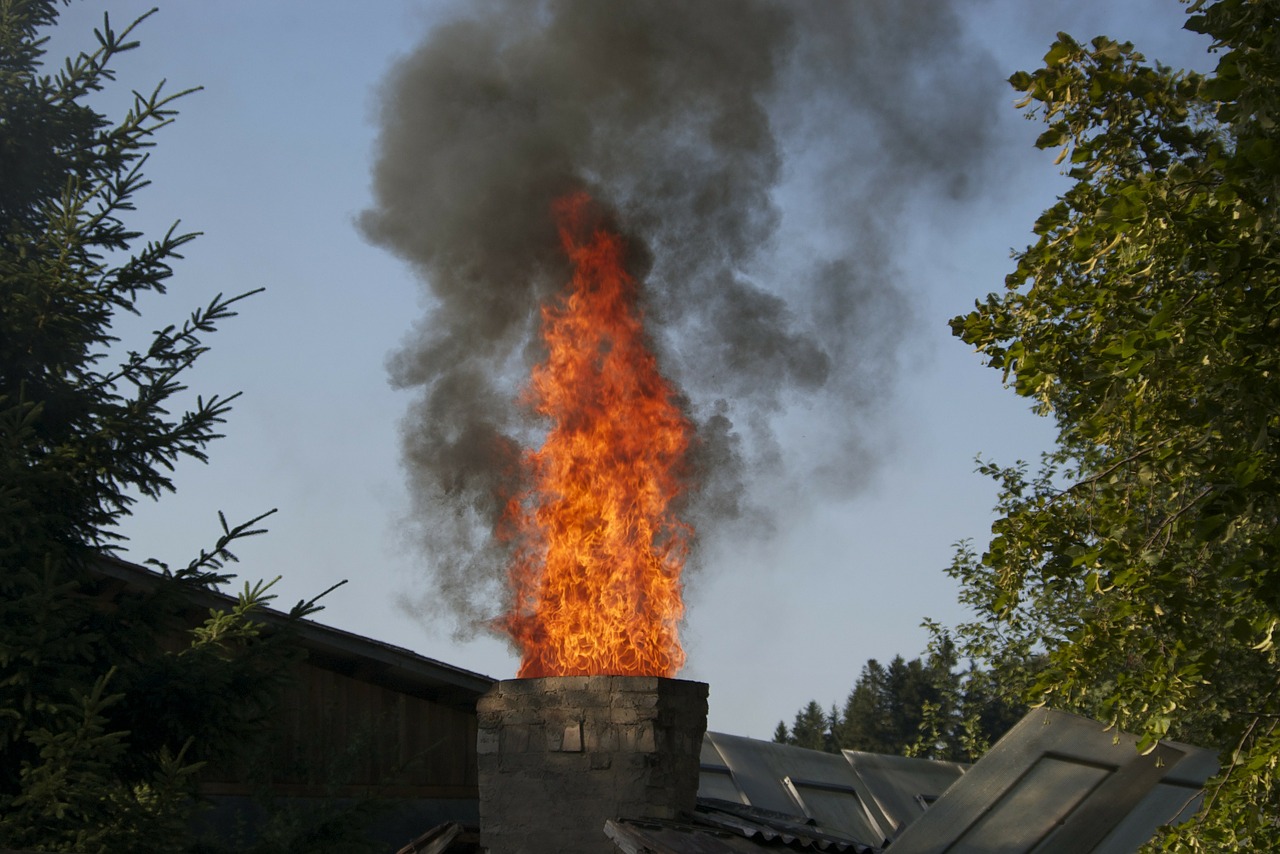
The largest source of fire in American homes comes from fuel burning appliances. The main causes of fire include inadequate clearance between the wood burner and walls, floors and furniture; creosote buildup in the chimney; poorly or improperly installed chimneys and improper installation of the wood burner itself. Fireplace and wood stove safety can save your home from a fire.
The U.S. Fire Administration states that 75 percent of confined home heating fires occur in the chimney and flue of your fireplace. Performing simple fireplace and wood stove safety measures and maintenance on your fireplace will ensure your family and home stay safe.
Facts about home heating fires
From 2013-2015, an average of 45,900 home heating fires occurred in the United States each year. These fires caused an annual average of approximately 205 deaths, 725 injuries and $506 million in property loss.
Heating was the second leading cause of home fires after cooking.
Home heating fires peaked in the early evening hours between 5 and 9 p.m. with the highest peak between 6 and 8 p.m. This four-hour period accounted for 29 percent of all home heating fires.
Home heating fires peaked in January (21 percent) and declined to the lowest point from June to August.
Confined fires — fires confined to chimneys, flues or fuel burners — accounted for 75 percent of home heating fires.
Twenty-nine percent of the nonconfined home heating fires — fires that spread past the object of origin — happened because the heat source (like a space heater or fire place) was too close to things that can burn.
Fireplace Safety Tips
Here are some fireplace safety tips to consider:
Keep it clear. Clear out any debris from the fireplace and keep all flammable items like furniture, blankets and papers a safe distance away at all times.
Inspect the chimney. Have a certified chimney specialist inspect and clean your chimney annually to reduce the risk of fire and carbon monoxide buildup.
Start the fire safely. Never burn charcoal or use lighter fluids to light the fire in your home, as they can cause deadly fumes and the potential for explosion.
Don’t overload the fire. Overloading—putting in more wood, paper and other ignitable materials than necessary—can overheat the walls or roof of your home.
Keep children away from the fireplace. Give warning about the dangers of fire to deter curiosity, and consider installing a gate around the fireplace to prevent kids from getting too close.
Put it out. Before leaving your home for the night or going to sleep, ensure the fire is completely out first.
Fireplace and Wood Stove Safety
Take extra precautions with fireplace and wood stove safety to keep your family safe from potential fireplace damage. If you burn fires often, consider installing new smoke and carbon monoxide detectors in your home.
Wood Burning Stove Safety
Use these tips to safely use your wood burning stove:
Read the instructions for your wood burning stove and follow them carefully.
Inspect the firebrick liner in your stove, if you have one. Should the liner show signs of wear, replace it immediately and do not use the unit until the liner is replaced.
Do not use flammable or combustible liquid (gasoline, kerosene, lighter fluid, etc.) to start a fire.
Burn wood recommended by the manufacturer only.
Do not burn plastic, wood or garbage that has been painted or treated with chemicals.
Be sure to have properly maintained smoke and carbon monoxide detectors and an approved multi-purpose fire extinguisher in your home.
Never close your damper with hot ashes in the fireplace. Doing so will cause the fire to heat up which will force toxic carbon monoxide into your house.
Take extra care when disposing of hot ashes and remember that these embers may still be hot for several days.
Safety Is The First Priority
Solid fuel units tend to require a lot more maintenance than other heating systems. Therefore, regular inspections and care are needed to protect your home and family against fire and carbon monoxide poisoning.
California’s Leader in Insurance and Risk Management
As one of the fastest growing agencies in California, GDI Insurance Agency, Inc. is able to provide its clients with the latest and greatest of what the insurance industry has to offer and much, much more.
We are headquartered in Turlock, CA, with locations across the heart of California’s Central Valley and beyond to provide a local feel to the solutions and services we provide our clients. We pride ourselves on exceeding our client’s expectations in every interaction to make sure that our client’s know how much we value and appreciate their business. Contact us today 1-209-634-2929 for your comprehensive home insurance quote!
What You Need To Know About Replacement Cost and Home Insurance
When it comes to money matters, no one likes to be surprised by the feeling that they’ve been shortchanged. That’s why it’s important that you understand how your homeowner insurance policy and replacement cost type responds to potential personal property losses.
When insuring your personal possessions on your homeowners or renters insurance policy, you have one of two coverage options: insuring for your property’s actual cash value or the cost to replace it. Find out the difference and why we recommend replacement cost coverage.
What is an Extended Replacement Cost Policy?
An Extended Replacement Cost policy will pay up to a specified percentage over an insured’s policy limit in order to fully replace a damaged home. This percentage is often shown as 120 to 125 percent of the stated limit of coverage.
With Extended Replacement Cost, if a person loses their home, the policy will pay more than their policy limit to cover the replacement cost of the home. In the event that someone needs to replace their home, they get that extra boost in coverage. This can be very helpful if there also happens to be an unexpected spike in costs at the time the house is being replaced.
Replacement Cost Coverage
When insuring your possessions on your homeowners or rental insurance policy, opting for replacement cost coverage provides you the best reimbursement option. Why? With replacement cost coverage, you collect the full cost to replace the item, less your deductible. Here’s an example to illustrate the benefit of replacement cost coverage:
The furniture you bought a few years ago for $650 is now worth only $100, but today costs $900 to replace. With replacement cost coverage, you would collect $900 to replace the furniture, minus your deductible. With actual cash value, you would get reimbursed $100, minus your deductible. Remember, the age and type of possession impacts the depreciated amount, which can be pennies on the dollar.
Insuring Valuables
While your personal property is covered under your homeowners insurance or renters insurance, policy limits do apply. To insure your valuable items—such as jewelry, fine art or antiques—consider scheduling these high-value items on an endorsement or policy floater.
For all endorsed items, an appraisal or sales receipt is typically required. This will help ensure that, in the event of a covered loss, the amount of insurance is enough to cover the replacement, repair or cash payment of the item.
Why is a Home Inventory Important?
If you haven’t documented your possessions on a home inventory list, it may be hard to replace them.
While your homeowners insurance or rental insurance policy will cover you in the event of a burglary or fire, up to the policy’s limits, you’ll still need a thorough inventory list, including photos or video. With insurance fraud on the rise, it’s important to have a home inventory list and to keep the information up to date. Storing this information in a safe place is highly recommended.
What insurers had discovered however is that in some cases, the policy limit that was chosen to insure a property was not quite enough to fully replace an insured’s home in the event of a total loss. This lead to the development of Guaranteed Replacement Cost policies, which made a promise to pay to fully replace your home as it stood the day before the loss. While Guaranteed Replacement Cost policies worked out well for people who lost their home, insurers soon discovered that this form of coverage was too costly so the Extended Replacement Cost endorsement came in to use.
GDI Insurance Agency, Inc. – Your Trusted Insurance Brokers
We understand that insurance can be complicated. At GDI Insurance Agency, Inc, our office if full of happy friendly insurance brokers who know how to get you the right coverage for the lowest possible premium on your homeowner insurance.
Headquartered in Turlock, CA, with locations across the heart of California’s Central Valley and beyond to provide a local feel to the solutions and services we provide our clients. We pride ourselves on exceeding our client’s expectations in every interaction to make sure that our client’s know how much we value and appreciate their business.
At GDI Insurance Agency, Inc. we believe that “Our Sole Purpose is to Help Our Clients Achieve and Secure Their Dreams!” Call us today to experience the GDI difference 1-209-634-2929 or 1-888-991-2929.
California has definitely seen it’s share of natural disasters lately. Our hearts go out to the wild fire victims. Although it may seem daunting, rebuilding after a disaster is essential. GDI Insurance Agency, Inc. has these tips to help you restart your rebuilding after a disaster.
Earthquakes, fires and other disasters can cause widespread devastation that threatens the safety of your family and home. But once a disaster passes, you aren’t necessarily out of danger. If your home is damaged, it may not offer sufficient protection for your family. Plus, assessing damage and the rebuilding process itself can be costly, even if your home insurancepolicy helps to pay the bills.
Returning Home After A Disaster
Before you can rebuild or repair your home, you’ll have to complete detailed inspections to see the extent of the damage. However, you should also keep your immediate safety in mind at all times. Even if you’re eager to return home, there could be a number of hazards present after a disaster that aren’t easily visible.
Here are some tips for when you re-enter your home:
Don’t return to your neighborhood until it’s declared safe by local officials.
Inspect the outside of your home for cracks in the foundation and sagging in the roof.
Don’t enter your home if there’s a hazard present, such as damaged power lines, floodwater that’s above the basement or the smell of natural gas.
Walk through every room of your home with a friend or family member, and take note of any noticeable damage or lost property.
Don’t drink tap water until it’s been declared safe by local authorities.
Be aware that wildlife may have taken refuge in your home, especially after a flood. Use a shovel or other long tool to rummage through anything you can’t see, and never approach a wild animal directly.
Never force open a door that appears to be jammed. It’s possible that damage to your home has forced a door to support some of the building’s structure.
Refrain from using wired electronics until you know the electrical systems are working properly.
Cleaning and Repairs of Your Home
Once you’ve determined that your home is safe, you many want to start cleaning or performing small repairs yourself. Rebuilding after a disaster is going to take a lot of work.
However, the precautions you take during the recovery process can change depending on the type of disaster that affected your area. Use the following best practices to identify potential hazards in your home and prepare yourself for the cleaning and rebuilding after a disaster processes.
General Best Practices
Be aware of hazards that may be unique to your home. For example, older homes may contain lead paint, asbestos or other dangerous substances that can become exposed after a disaster.
Wear appropriate protective equipment. You should always wear gloves and goggles when cleaning chemical spills or working with household cleaners.
Read the manufacturers’ instructions on all cleaning products and devices before using them.
Never mix chemicals together, either when disposing of them or using them to clean.
Be aware of carbon monoxide hazards. Because the gas is difficult to detect and your home’s carbon monoxide detectors may not be working properly, it can be hard to detect a dangerous buildup of carbon monoxide. Never use fuel-burning devices inside your home, including portable generators that run on gasoline.
Remove any standing water from your home as quickly as possible. Standing water can serve as a breeding ground for microorganisms and disease-carrying insects.
Check the outside of your home to see if wind or debris has damaged the roof, windows or siding. If the damage appears to be severe, consult a professional about making repairs.
Properly dispose of all waste materials and garbage, and never burn them.
Take pictures of your home before and after it’s repaired. These pictures may help when making insurance claims.
Make a record of any important documents that were damaged or destroyed, such as passports, birth certificates, Social Security numbers and insurance policies.
Keep the receipts for any purchases you make while cleaning or rebuilding.
Contact us at 209-634-2929 for help getting in touch with certified professionals and reviewing your homeowners policy.
Rebuilding After a Flood
Wear an N-95 respirator if mold is present. If standing water has been in your home for at least two days, it’s likely that mold has begun to grow.
Call a professional to help you clean if there’s a large amount of mold present.
Remove any standing water as quickly as possible. However, if your basement is flooded, you should only pump out about one-third of the water a day. If any more is pumped out, it could cause the walls to collapse or the floor to buckle.
Dispose of any food and containers that came into contact with floodwater, even if they appear to be airtight.
Clean and dry all hard surfaces in your home. If anything can’t be cleaned and dried, it should be thrown away.
Rebuilding After Fires
Enter your home only after the fire department has said that it’s safe. Fires can cause severe damage to a building’s walls and floors, and they may not be structurally sound.
To protect against serious health risks, avoid contact with soot and dirty water left over after a fire.
Wear a mask while cleaning to prevent the inhalation of ash, soot and other residue.
Check to see if your utilities are in working order. The fire department usually turns off utilities when fighting a fire and will know if they’re safe to use. Never try to turn your utilities back on by yourself.
Use cleaning products that contain tri-sodium phosphate to help reduce the odor of smoke. Be sure to read the manufacturer’s instructions before you use one of these products.
Use a mild soap and warm water to remove stains from soot and smoke from hard surfaces. Make sure to rinse and completely dry all surfaces shortly afterward.
Talk to a professional about replacing drywall or insulation that’s been soaked by water from fire hoses.
Working with Contractors
Hiring a contractor to repair your home is a good way to make sure the job is done professionally. Unfortunately, disasters also attract scam artists who prey upon those affected by a disaster, and you need to remain skeptical when using contractors. Here are some best practices for working with a contractor:
Only use contractors who have a good referral from family members or friends.
Check to see if complaints have been lodged against a contractor you’re considering by visiting usa.gov/state-consumer.
Be wary of contractors who encourage you to spend too much, offer “special deals” or ask for your credit card number before you’ve signed a contract.
Get a written price estimate that includes any spoken promises made by a contractor.
Take your time to review a contract before you sign it, and be sure to ask for explanations about any price variations you notice. It’s also a good idea to get an attorney to review a contract before it’s signed.
Never agree to pay a contractor upfront. A deposit of one-third the total price is standard.
Only pay contractors with a check or credit card, and pay the final amount only after the work is finished and has passed your review. Also, keep in mind that paying with a credit card may offer protection from your bank and the credit card company if the contractor makes an unauthorized purchase.
What Type of Rebuilding Resources Are There?
Rebuilding from a disaster of any type is an extremely stressful experience, and one where your family’s safety and financial future may be in doubt. Here are some resources you may be able to use to help provide for your family and rebuild your home:
GDI Insurance Agency, Inc., available by calling 209-634-2929
We have a free Home Inventory Checklist. You can download it to keep track of your belongings. The most important thing you can do today is fill out a personal property inventory. Most people never get what they should after a loss because they cannot document everything they had.
California’s Leader in Insurance and Risk Management
As one of the fastest growing agencies in California, GDI Insurance Agency, Inc. is able to provide its clients with the latest and greatest of what the insurance industry has to offer and much, much more.
We are headquartered in Turlock, CA, with locations across the heart of California’s Central Valley and beyond to provide a local feel to the solutions and services we provide our clients. We pride ourselves on exceeding our client’s expectations in every interaction to make sure that our client’s know how much we value and appreciate their business. Contact us today 1-209-634-2929 for your comprehensive homeowner insurance quote!
Celebrating the holiday season with colorful lights and a tree can add more than just sparkle to the festivities—they are also a fire hazard. In fact, according to the National Fire Protection Association, a higher percentage of home fires occur during the holiday season. These tips will help you avoid holiday disasters so that you can focus on the season.
Trim the Tree the Safe Way
There is no denying the beauty of a Christmas tree and it is one of our holiday’s favorite decorations. This can also be on of the most dangerous decorations in your home. These safety tips will help keep your home safe and avoid holiday disasters.
To decorate your tree the safe way, keep the following precautions in mind:
Place a Christmas tree at least three feet away from heat sources such as a fireplace or heating vent. The tree should also stand in a sturdy, water-holding stand that is refilled daily.
Do not keep a fresh tree in your home for more than two weeks because it will dry out and become extremely flammable.
Cut off about two inches of the trunk to expose fresh wood for better water absorption. Trim away branches as necessary to set tree trunk in the base of a sturdy, water-holding stand with wide spread feet.
Keep your tree hydrated. A dried-out tree can catch fire faster than one that has been properly watered. Check the water level daily, especially when you first set it up, it’s amazing how much water the tree can soak up.
If you buy an artificial tree, make sure it’s labeled “fire resistant.” Fire-resistant trees are less susceptible to catching fire.
Use unbreakable ornaments. If you have fragile ornaments, place them out of reach from pets and kids.
Christmas Light Safety
Holiday lights and inflatable decorations can add so much ambiance to the inside and outside of your home.
Follow these tips to keep your home safe when using holiday lights:
Use lights as intended: indoor for indoor use only, and outdoor for outdoor use only.
Look for the UL safety rating on all electrical decorations. This ensures that they have been tested for safety hazards.
Throw away light strings that are cracked or have exposed or loose wires.
Fasten outdoor lights securely to trees, house, walls or other firm support to protect from wind damage.
Use no more than three standard-size sets of lights per single extension cord.
Turn off all lights on trees and other decorations when you go to bed or leave the house. Lights could short and start a fire.
Prevent electrical cord damage.Don’t mount lights in a way that might damage the cords, and avoid using nails or tacks. Use hooks or insulated staples instead.
Secure your inflatable decorations so that they don’t blow away during a storm.
When stringing lights and decorations above your normal reach, make sure you use a proper ladder with someone supporting the base.
Even More Ways To Avoid Holiday Disasters
Don’t burn wrapping paper in the fireplace. Paper can catch fire very quickly and can cause flash fires. Instead, recycle (or better yet, reuse!) your wrapping paper.
Remove all wrapping papers from your tree and fireplace areas immediately after presents are opened.
Keep candles on a sturdy base to prevent tipping. Never leave a lit candle unattended.
Avoid decorations that look like candy or food if you have young children — or pets — in the house.
Beware of poisonous plants. While festive, poinsettias are poisonous when eaten, so keep them out of reach of kids and pets.
Never place trimming near open flames or electrical connections.
Wishing You a Safe Holiday Filled With Love and Happiness.
Of course, if you have any questions about your insurance, be sure to give us a call! GDI Insurance Agency Inc. – 209-634-2929
GDI Insurance Agency, Inc. Has Partnered With Travelers Insurance For A Free Echo Dot
Introducing Travelers Smart Home Insurance Solution with two new ways you can save on smart home protection. Our clients in California who purchase a Travelers dwelling policy are eligible for a FREE, all-new Amazon Echo Dot. You’re also eligible
for discounts on a smart home device kit which can help protect
you from fire, water and security threats.* Get your home owner insurancequote today to take advantage of this offer from Travelers and GDI Insurance Agency, Inc.
How Do You Get Your Free Echo Dot?
It’s easy!
Purchase a Travelers property policy before December 31, 2018 (make sure to provide your email address).
You’ll get an email with instructions on how to redeem the offer.
Visit the Traveler’s site to receive your offer code and redeem on Amazon
There is a limited number available, so don’t delay.
What is a Smart Home?
A smart home is a home that is equipped with technology to remotely control and automate household systems like lighting, doors, thermostats, entertainment systems, security alarms, surveillance cameras and other connected appliances.
Amazon’s Echo Dot
More than listening to music or asking Alexa for searches, you can do many other through voice commands such as:
Control smart home devices with your voice
Play internet radio stations
Stream music from various music services
Set timers and alarms
Get news reports tailored to you
Ask questions
Group together smart home devices to work together
Make calls to contacts cellphones
Intercom between Echo speakers in your home
Play games
The premise of Alexa is simple – you can ask the digital assistant questions or command her to control the devices in your home. Alexa will then try and get you the information you need, or talk to the devices in your home to get them to do what you want.
GDI Insurance Agency Inc. Your Trusted Insurance Broker
As one of the fastest growing agencies in California, GDI Insurance Agency, Inc.is able to provide its clients with the latest and greatest of what the insurance industry has to offer and much, much more.
With locations across the heart of California’s Central Valley and beyond to provide a local feel to the solutions and services we provide our clients. We pride ourselves on exceeding our client’s expectations in every interaction to make sure that our client’s know how much we value and appreciate their business. Contact us today 1-209-634-2929 for your comprehensive homeowner insurance quote!
Fine print:
*Amazon Echo Dot offer is available on qualifying homeowners policies in CA, CO, MO & WI. In CA, offer limited to the first 15,000 that redeem offer. Limit one per qualifying policy. Offer not transferrable. Offer expires in all states on 12/31/18. Customers can see the complete terms of the offer and check their eligibility on Travelers.com/additionalbenefits. The Echo Dot is provided by Travelers, Amazon is not a sponsor of this offer.
*Smart home device kit offer is available on qualifying property policies in CA, CO, MO & WI. Limit one per qualifying policy. Offer not transferrable. Offer expires on December 31, 2018.
Customers can see the complete terms of the offer and check their eligibility on Travelers.com/additionalbenefits. Protective device discount available with purchase and use of smart home device kit. Amount of discount will vary by location and policy type.
Insurance is underwritten by The Travelers Indemnity Company and its property and casualty affiliates. One Tower Square, Hartford, CT 06183. In CA: insurance is underwritten by Travelers Commercial Insurance Company, One Tower Square, Hartford, CT 06183. Certificate of Authority # 6519; State of Domicile: Connecticut.
Visit Travelers.com for Travelers Privacy Statement and Legal Notices.
Amazon, Echo, Alexa, and all related logos are trademarks of Amazon.com, Inc. or its affiliates. All Amazon trademarks and copyrights are property of Amazon.com or its affiliates
We use cookies to optimize our website and our service.
Functional cookies
Always active
The technical storage or access is strictly necessary for the legitimate purpose of enabling the use of a specific service explicitly requested by the subscriber or user, or for the sole purpose of carrying out the transmission of a communication over an electronic communications network.
Preferences
The technical storage or access is necessary for the legitimate purpose of storing preferences that are not requested by the subscriber or user.
Statistics
The technical storage or access that is used exclusively for statistical purposes.The technical storage or access that is used exclusively for anonymous statistical purposes. Without a subpoena, voluntary compliance on the part of your Internet Service Provider, or additional records from a third party, information stored or retrieved for this purpose alone cannot usually be used to identify you.
Marketing
The technical storage or access is required to create user profiles to send advertising, or to track the user on a website or across several websites for similar marketing purposes.