Guidance on Tracking Hours of Work for Remote Employees
On Aug. 24, 2020, the U.S. Department of Labor (DOL) issued Field Assistance Bulletin No. 2020-5 to remind employers of their obligation to accurately account for the number of hours their employees work away from the employer’s facilities. While the bulletin was issued in response to the high number of employees working remotely because of the COVID-19 pandemic, the DOL is also reminding employers that the underlying principles apply to other telework or remote work arrangements. What you need to know if you have remote employees!
Remote EmployeeCompensable Time
The federal Fair Labor Standards Act (FLSA), requires employers to compensate their employees for all hours of work. Compensable time includes any hours an employee is requested or allowed to work, including telework or remote work.
For remote work situations, the bulletin clarifies that compensable time includes any time during which the employer knows or has reason to believe work is being performed, regardless of whether the work was authorized or requested.
Employer Obligations for Remote Employees
As a result, under the FLSA employers have an obligation to track the number of hours their employees work. For this reason, employers must provide reasonable procedures for employees to report any scheduled and unscheduled hours of work. However, the DOL is of the opinion that “if an employee fails to report unscheduled hours of work through a reasonable process, the employer is not required to undergo impractical efforts to uncover unreported hours of work.” Finally, the bulletin emphasizes that employers bear the burden of preventing an employee from completing unauthorized or unwanted work.
California’s Leader in Insurance and Risk Management
As one of the fastest growing agencies in California, GDI Insurance Agency, Inc. is able to provide its clients with the latest and greatest of what the insurance industry has to offer and much, much more. The GDI team has developed an “insurance cost reduction” quoting plan, that provides you with the best coverage at the best rate!
We are headquartered in Turlock, CA, with locations across the heart of California’s Central Valley, Northern California and beyond to provide a local feel to the solutions and services we provide our clients. We pride ourselves on exceeding our client’s expectations in every interaction to make sure that our client’s know how much we value and appreciate their business.
Contact us today 1-209-634-2929 for your comprehensive insurance quote!
CDC Updates Guidance for Quarantine After an Exposure to COVID-19
As the coronavirus (COVID-19) pandemic continues, employers are discerning appropriate actions to prioritize health and safety within their workplace. Organizations are responsible for protecting the health of their employees, which can include recommending quarantine after an exposure to COVID-19. An exposure to COVID-19 may take place within the workplace, or an employee may report an exposure outside of the workplace.
This HR Insights article provides an overview of guidance from the Centers for Disease and Prevention (CDC) for quarantine after exposure to COVID-19. This guidance addresses who should quarantine, as well as how long quarantine should last dependent on the scenario.
Employers should continue to monitor current guidance from the CDC and follow recommendations from local health providers.
Quarantine After an Exposure to COVID-19
Quarantine is used to keep someone who might have been exposed to COVID-19 away from others. Quarantine helps prevent spread of disease that can occur before a person knows they are sick or if they are infected with the disease without feeling symptoms. People in quarantine should stay home, separate themselves from others, monitor their health and follow directions from their state or local health department.
Quarantine Timeline
The CDC recommends a quarantine period of 14 days after exposure to COVID-19. The quarantine should start and end at the same time of the day. For example, if starting quarantine at noon on one day, quarantine should end at noon on the 14th day. However, in scenarios where a person has an additional exposure to COVID-19, quarantine may require an extension, as outlined in the scenarios presented in this article.
In an exposure situation, it is possible that a person with a known case of COVID-19 could leave isolation after 10 days, rather than 14, which is earlier than a person who has been quarantined due to the possibility they are infected from an exposure.
Who Should Quarantine After An Exposure
Quarantine is recommended for people who have been in close contact with someone who has COVID-19—excluding people who have had COVID-19 within the past three months.
People who have tested positive for COVID-19 do not need to quarantine or get tested again for up to three months as long as they do not develop symptoms again. People who develop symptoms again within three months of their first bout of COVID-19 may need to be tested again if there is no other cause identified for their symptoms.
What Counts as Close Contact?
A person is considered to have been in close contact in the following situations:
Has been within 6 feet of someone who has COVID-19 for a total of 15 minutes or more
Has provided care at home to someone who is sick with COVID-19
Has had direct physical contact with a person who has COVID-19 (hugged or kissed them)
Has shared eating or drinking utensils with a person who has COVID-19
Has been sneezed or coughed on, or received respiratory droplets from a person who has COVID-19
Quarantine Scenarios
The CDC outlines four scenarios, and when quarantine can end:
Scenario 1: Close Contact With Someone Who Has COVID-19—Will Not Have Further Close Contact
This scenario applies to persons who have had close contact with someone who has COVID-19 and will not have further contact or interactions with the person while they are sick (e.g., co-worker, neighbor or friend).
The last day of quarantine is 14 days from the date of close contact.
Scenario 2: Close Contact With Someone Who Has COVID-19—Live With the Person But Can Avoid Further Close Contact
This scenario applies to persons who live with someone who has COVID-19 (e.g., roommate, partner or family member), and that person has isolated by staying in a separate bedroom. In this situation, this person has had no close contact with the person with COVID-19 since they began isolation.
The last day of quarantine is 14 days from when the person with COVID-19 began home isolation.
Scenario 3: Under Quarantine and Had Additional Close Contact With Someone Who Has COVID-19
This scenario applies to persons who live with someone who has COVID-19 and have started their 14-day quarantine period because of close contact. What if this person ends up having additional close contact with the person who has COVID-19 during quarantine? What if another household member gets sick with COVID-19? Does this person need to restart quarantine?
Yes. This person will have to restart quarantine from the last day they had close contact with anyone in their house who has COVID-19. Anytime a new household member gets sick with COVID-19 and this person has close contact, they will need to restart quarantine.
The last day of quarantine is 14 days after additional close contact.
Scenario 4: Lives With Someone Who Has COVID-19 and Cannot Avoid Continued Close Contact
This scenario applies to persons who live in a household where they cannot avoid close contact with a person who has COVID-19. These situations would include someone who is providing direct care to the person who is sick, doesn’t have a separate bedroom to isolate the person who is sick or lives in close quarters where they are unable to keep a physical distance of 6 feet.
This person should avoid contact with others outside the home while the person is sick, and quarantine for 14 days after the person who has COVID-19 meets the criteria to end home isolation.
Fourteen days can be added to the date the person with COVID-19 ends home isolation. After the additional 14 days conclude, quarantine can be discontinued.
For More Information
The recommendations provided in this article should not be considered legal advice. Employers should consult with local legal counsel for legal advice. Employers should continue to monitor current guidance from the CDC and follow recommendations from local health care providers. Contact GDI Insurance Agency, Inc. for additional COVID-19 resources.
Source: Centers for Disease Control and Prevention
California’s Leader in Insurance and Risk Management
As one of the fastest growing agencies in California, GDI Insurance Agency, Inc. is able to provide its clients with the latest and greatest of what the insurance industry has to offer and much, much more. The GDI team has developed an “insurance cost reduction” quoting plan, that provides you with the best coverage at the best rate!
We are headquartered in Turlock, CA, with locations across the heart of California’s Central Valley, Northern California and beyond to provide a local feel to the solutions and services we provide our clients. We pride ourselves on exceeding our client’s expectations in every interaction to make sure that our client’s know how much we value and appreciate their business.
In an interview with WebMD, Centers for Disease Control and Prevention (CDC) Director Robert Redfield warned of the potential impact of a surge in COVID-19 cases this fall. Redfield called on Americans to help bring the outbreak under control by participating in advised practices such as wearing a mask, washing hands, social distancing and avoiding crowds. Redfield also warned that “this could be the worst fall from a public health perspective, we’ve ever had” if COVID-19 preventive measures aren’t followed.
This year, the CDC stresses the importance of the flu shot, since health care capacity may be limited as the flu season coincides with the impact of the coronavirus pandemic.
Health Care Capacity and Flu Season Could Mean Worst Fall
The coronavirus isn’t the only public health concern as we approach the winter months. Colder temperatures drive people indoors, which health experts warn leads to cases of influenza spreading more easily than during warmer summer months. With both COVID-19 and the flu in the fall, Redfield stated that either one of those by themselves could stress certain hospital systems. According to Redfield, “By getting that flu vaccine, you may be able to then negate the necessity to have to take up a hospital bed.”
According to CDC Director Robert Redfield, a surge in COVID-19 cases, along with the upcoming flu season, could create the worst fall that we’ve ever had if preventive measures aren’t followed.
CDC Urges Public to Get Flu Shot
Redfield stated that public adaption of flu shots may help ease the impact of a surge of cases in the fall. The CDC typically purchases doses of the flu shot for uninsured adults, and typically orders around 500,000. According to Redfield, the CDC has ordered an extra 10 million doses this year. Though less than 50% of Americans got a flu shot last year, Redfield is hoping for 65% to comply this flu season. The CDC normally recommends 60% to 70% of the public get a flu shot.
Redfield noted that, if there is one thing we all can do to prepare for the fall—besides wearing a mask, social distancing, hand-washing and being smart about gatherings—it would be to get the flu vaccine.
California’s Leader in Insurance and Risk Management
As one of the fastest growing agencies in California, GDI Insurance Agency, Inc. is able to provide its clients with the latest and greatest of what the insurance industry has to offer and much, much more. The GDI team has developed an “insurance cost reduction” quoting plan, that provides you with the best coverage at the best rate!
We are headquartered in Turlock, CA, with locations across the heart of California’s Central Valley, Northern California and beyond to provide a local feel to the solutions and services we provide our clients. We pride ourselves on exceeding our client’s expectations in every interaction to make sure that our client’s know how much we value and appreciate their business.
Contact us today 1-209-634-2929 for your comprehensive insurance quote!
The presence of unemployment-related scams has grown in the wake of the coronavirus (COVID-19) pandemic. Current unemployment scams include both fraudulent claims and unemployment-related phishing attempts. As many employers are currently dealing with the reality of a high amount of unemployment claims, organizations can take steps to prepare for fraudulent activity and to accurately identify legitimate requests. By taking proactive steps and preventive measures, your organization can be best prepared to identify and, if necessary, respond to fraudulent activity.
The Presence of Unemployment Scams
According to the U.S. Federal Trade Commission (FTC), scammers often file fraudulent unemployment claims, sometimes even for people who are not unemployed. And, unfortunately, many scams are not revealed until it is too late. Many scam artists may not even be located in the United States. With the coronavirus pandemic leading to unemployment rates as high as they’ve been since the economic crash in 2008, more unemployment claims are being processed than ever before. Scammers seek opportunity, and this niche has received enough attention to warrant a fraud alert from the FTC.
How Scams Happen
Unemployment-related scams can happen to a current or former employee—regardless of an employee’s role at an organization. While scams were also present pre-coronavirus, current unemployment scams primarily fall under the following categories:
Employers should be prepared to identify these types of fraudulent activities. By educating workforces, reviewing emails with caution and preparing appropriate scam responses, organizations can be better prepared for attempted fraud.
Preventing Scams
Employers can take certain steps, such as the following, to help prevent fraudulent activities:
Educate employees on how to identify phishing attempts—By building awareness of how to identify scams, employees can help prevent fraud. Employers may consider providing formal educational opportunities on how to identify phishing attempts and highlighting the importance of this topic using internal employee communications.
Train appropriate teams on how to identify unemployment claim scams—By investing in specific training sessions, employers may be able to help designated teams look out for common scams. For example, HR professionals who will be administrating or responding to unemployment claims should be well-informed on current scam tactics.
Review cybersecurity best practices—The FTC provides guidance, including a guide for small businesses, that organizations can use to help determine the best steps to take in their own organizations.
Communicate effectively with employees—While strong practices, education and training sessions can help prepare your workforce to prevent scams, employee buy-in will be key to effectively preventing fraudulent activity. Ensure education and communication regarding scams are ongoing initiatives so that employees remain up to date on how to help prevent scams.
Employers should be aware that there has been falsified information about unemployment scams being shared on the internet. Federal agencies, including the FTC, generally provide the most accurate and up-to-date resources.
Organizations can take steps to prevent fraudulent activities—appropriate efforts will vary due to unique aspects of your workplace, but proactive measures such as increased awareness can be an effective first line of defense.
Identifying Unemployment Scams
Government agencies and state representatives have standardized forms of messaging, which can be recognized by going through proper steps. According to a fraud alert issued by the DOL, the intent of phishing scammers is to have email recipients log in to an illicit account that impersonates the users’ personal accounts in order to steal various account numbers, passwords and Social Security numbers. Here are key points that employers should consider when receiving emails or evaluating unemployment-related internal practices:
Hover on and review links, but don’t click—By moving a mouse cursor over a link, you’ll be able to see the link without clicking and going to a potentially fraudulent site.
Know that state workforce agencies do not use secondary accounts—Real government agencies do not ask users to log in to external sites and will only ask for an email address if you are creating a user account on their websites.
Avoid following emailed directions to log in to a personal account—Common sites for which scammers have requested personal logins include Google, Microsoft, Apple and more. By logging in to what looks like one of these accounts, you may be providing your personal information, including a password, to scammers.
Responding to an Unemployment Scam
While employers and employees hope to avoid being victims of a scam in the first place, a timely and well-planned response can minimize damage and sometimes even prevent future fraudulent activity after a scam attempt does occur. The FTC offers the following steps for how to respond to a scam attempt:
Alert your workforce—Alert your employees that a scam has taken place and remind them of the need to be cautious. Ensure that employees know where to direct any notice from an entity claiming to be a government agency. This may be to a specified resource, such as IT.
Report the fraud—Best practices for reporting fraud vary by state, so check your state unemployment agency’s website for the correct instructions.
Retrain teams on what to look for—By investing in additional education on relevant scams, employers may be able to continue to help their teams look out for common scams.
Refer affected employees to identitytheft.gov—By reporting any fraudulent activity, including any identity theft, victims can get step-by-step help and the resources they need.
Ensure employees are aware of cybersecurity best practices—Effective cyber protection measures require buy-in from employees. Ensure employees are aware of how they can help prevent fraudulent activity.
Protecting Your Workplace
No workplace is immune to the threat of scams, and now is as good a time as ever to ensure your organization is taking adequate steps to both prevent and respond to any fraudulent activity. Employers should continue to follow guidance from the FTC and consult with local legal counsel when updating or changing policies. For additional resources, contact GDI Insurance Agency, Inc.
California’s Leader in Insurance and Risk Management
As one of the fastest growing agencies in California, GDI Insurance Agency, Inc. is able to provide its clients with the latest and greatest of what the insurance industry has to offer and much, much more. The GDI team has developed an “insurance cost reduction”quoting plan, that provides you with the best coverage at the best rate!
We are headquartered in Turlock, CA, with locations across the heart of California’s Central Valley, Northern California and beyond to provide a local feel to the solutions and services we provide our clients. We pride ourselves on exceeding our client’s expectations in every interaction to make sure that our client’s know how much we value and appreciate their business.
Contact us today 1-209-634-2929 for your comprehensive insurance quote!
Cleaning and Disinfection of Households Amid COVID-19
This guidance provides recommendations on the cleaning and disinfection of households where persons under investigation or those with confirmed COVID-19 reside or may be in self-isolation. These guidelines are focused on household settings and are meant for the general public.
This article compiles expert guidance from the Centers for Disease Control and Prevention (CDC).
Important terms to know:
Cleaning refers to the removal of germs, dirt and impurities from surfaces. It does not kill germs, but by removing them, it lowers their numbers and the risk of spreading infection.
Disinfecting refers to using chemicals, for example, EPA-registered disinfectants, to kill germs on surfaces. This process does not necessarily clean dirty surfaces or remove germs, but by killing germs on a surface after cleaning, it can further lower the risk of spreading infection.
General Recommendations for Routine Cleaning and Disinfection of Households
Community members can practice routine cleaning of frequently touched surfaces (for example: tables, doorknobs, light switches, handles, desks, toilets, faucets, sinks and electronics (see below for special electronics cleaning and disinfection instructions) with household cleaners and EPA-registered disinfectants that are appropriate for the surface, following label instructions. Labels contain instructions for safe and effective use of the cleaning product including precautions you should take when applying the product, such as wearing gloves and making sure you have good ventilation during use of the product.
For electronics, follow the manufacturer’s instructions for all cleaning and disinfection products. Consider use of wipeable covers for electronics. If no manufacturer guidance is available, consider the use of alcohol-based wipes or spray containing at least 70% alcohol to disinfect touch screens. Dry surfaces thoroughly to avoid pooling of liquids.
General Recommendations for Cleaning and Disinfection of Households With People Isolated in Home Care (e.g., Suspected/Confirmed to Have COVID-19)
Household members should educate themselves about COVID-19 symptoms and preventing the spread of COVID-19 in homes. CDC recommendations include:
Clean and disinfect high-touch surfaces daily in household common areas (e.g. tables, hard-backed chairs, doorknobs, light switches, phones, tablets, touch screens, remote controls, keyboards, handles, desks, toilets and sinks).
In the bedroom/bathroom dedicated for an ill person: Consider reducing cleaning frequency to as-needed (e.g., soiled items and surfaces) to avoid unnecessary contact with the ill person.
As much as possible, an ill person should stay in a specific room and away from other people in their home, following home care guidance.
The caregiver can provide personal cleaning supplies for an ill person’s room and bathroom, unless the room is occupied by child or another person for whom such supplies would not be appropriate. These supplies include tissues, paper towels, cleaners and EPA-registered disinfectants (see examples).
If a separate bathroom is not available, the bathroom should be cleaned and disinfected after each use by an ill person. If this is not possible, the caregiver should wait as long as practical after use by an ill person to clean and disinfect the high-touch surfaces.
Household members should follow home care guidance when interacting with persons with suspected/confirmed COVID-19 and their isolation rooms/bathrooms.
Wear disposable gloves when cleaning and disinfecting surfaces. Gloves should be discarded after each cleaning. If reusable gloves are used, those gloves should be dedicated for cleaning and disinfection of surfaces for COVID-19 and should not be used for other purposes. Consult the manufacturer’s instructions for cleaning and disinfection products used. Clean hands immediately after gloves are removed.
Cleaning and Disinfection of Households Hard (Nonporous) Surfaces
Wear disposable gloves when cleaning and disinfecting surfaces. Gloves should be discarded after each cleaning. If reusable gloves are used, those gloves should be dedicated for cleaning and disinfection of surfaces for COVID-19 and should not be used for other purposes. Consult the manufacturer’s instructions for cleaning and disinfection products used. Clean hands immediately after gloves are removed.
If surfaces are dirty, they should be cleaned using a detergent or soap and water prior to disinfection.
For disinfection, most common EPA-registered household disinfectants should be effective.
A list of products that are EPA-approved for use against the virus that causes COVID-19 is available here. Follow manufacturers’ instructions for all cleaning and disinfection products (e.g., concentration, application method and contact time).
Additionally, diluted household bleach solutions (at least 1,000 ppm sodium hypochlorite, or concentration of 5%–6%) can be used if appropriate for the surface. Follow manufacturers’ instructions for application, ensuring a contact time of at least one minute, and allowing proper ventilation during and after application. Check to ensure the product is not past its expiration date. Never mix household bleach with ammonia or any other cleanser. Unexpired household bleach will be effective against coronaviruses when properly diluted.
Prepare a bleach solution by mixing:
5 tablespoons (1/3 cup) bleach per gallon of room temperature water, or
4 teaspoons bleach per quart of room-temperature water.
Bleach solutions will be effective for disinfection up to 24 hours.
How to Clean and Disinfect Soft (Porous) Surfaces
For soft (porous) surfaces such as carpeted floor, rugs and drapes, remove visible contamination if present and clean with appropriate cleaners indicated for use on these surfaces. After cleaning, launder items as appropriate in accordance with the manufacturer’s instructions. If possible, launder items using the warmest appropriate water setting for the items, and dry items completely.
How to Clean and Disinfect Electronics
For electronics such as cellphones, tablets, touch screens, remote controls and keyboards, remove visible contamination if present.
Other recommendations include:
Follow the manufacturer’s instructions for all cleaning and disinfection products.
Consider the use of wipeable covers for electronics.
If no manufacturer guidance is available, consider the use of alcohol-based wipes or sprays containing at least 70% alcohol to disinfect touch screens. Dry surfaces thoroughly to avoid pooling of liquids.
How to Clean and Disinfect Linens, Clothing and Other Items That Go in the Laundry
Wear disposable gloves when handling dirty laundry from an ill person, and then discard after each use. If using reusable gloves, those gloves should be dedicated for cleaning and disinfection of surfaces for COVID-19 and should not be used for other household purposes. Clean hands immediately after gloves are removed.
Here is additional guidance:
If no gloves are used when handling dirty laundry, be sure to wash hands afterwards.
If possible, do not shake dirty laundry. This will minimize the possibility of dispersing the virus through the air.
Launder items as appropriate in accordance with the manufacturer’s instructions. If possible, launder items using the warmest appropriate water setting for the items, and dry items completely. Dirty laundry from an ill person can be washed with other people’s items.
Clean and disinfect clothes hampers according to guidance above for surfaces. If possible, consider placing a bag liner inside that is either disposable (can be thrown away) or can be laundered.
Hand Hygiene and Other Preventive Measures
Household members should clean hands often, including immediately after removing gloves and after contact with an ill person, by washing hands with soap and water for 20 seconds. If soap and water are not available and hands are not visibly dirty, an alcohol-based hand sanitizer that contains at least 60% alcohol may be used. However, if hands are visibly dirty, always wash hands with soap and water.
Household members should follow normal preventive actions while at work and home, including recommended hand hygiene and avoiding touching eyes, nose and mouth with unwashed hands.
Additional key times to clean hands include:
After blowing one’s nose, coughing or sneezing
After using the restroom
Before eating or preparing food
After contact with animals or pets
Before and after providing routine care for another person who needs assistance (e.g., a child)
Other considerations:
The ill person should eat/be fed in their room, if possible. Non-disposable food service items used should be handled with gloves and washed with hot water or in a dishwasher. Clean hands after handling used food service items.
If possible, dedicate a lined trash can for the ill person. Use gloves when removing garbage bags, and handling and disposing of trash. Wash hands after handling or disposing of trash.
Consider consulting with your local health department about trash disposal guidance, if available.
California’s Leader in Insurance and Risk Management
As one of the fastest growing agencies in California, GDI Insurance Agency, Inc. is able to provide its clients with the latest and greatest of what the insurance industry has to offer and much, much more. The GDI team has developed an “insurance cost reduction” quoting plan, that provides you with the best coverage at the best rate!
We are headquartered in Turlock, CA, with locations across the heart of California’s Central Valley, Northern California and beyond to provide a local feel to the solutions and services we provide our clients. We pride ourselves on exceeding our client’s expectations in every interaction to make sure that our client’s know how much we value and appreciate their business.
Contact us today 1-209-634-2929 for your comprehensive insurance quote!
How Social Distancing is Impacting Workplace Culture
As the coronavirus pandemic continues to evolve, one guideline that is likely to last beyond this year is social distancing. Employers have a responsibility to keep employees healthy and safe, and that duty is informing their return-to-work strategies. For instance, some organizations are keeping employees at home to work remotely for the foreseeable future. Other organizations are reconfiguring office layouts to lower capacity and considering safety measures like temperature checks and staggered shifts. Social distancing is impacting workplace culture, read the tips below to help keep your workplace culture strong.
No matter what an organization decides, its initiatives should be true to the company’s mission and values. As employers deliberate on new policies or procedures in response to the pandemic, it’s important to consider how those efforts might impact company culture and vice versa.
A strong workplace culture doesn’t need an actual office to thrive. True culture is based on the values that unify the workplace and employees, regardless of physical location. The pandemic continues to prove this true for many organizations that have moved the workday online.
Staying Socially Connected
Social connectivity encourages camaraderie. Humans are social creatures who crave interaction. According to a PricewaterhouseCoopers survey, the number one reason employees go into the office is to collaborate with other team members.
Given this, it’s not likely for employees to immediately feel included in the workplace culture when they’re virtually working miles apart or forced to physically avoid co-workers.
So, how can employers support and cultivate collaboration in today’s socially distant workplace? Regardless of whether employees are working in the office or working from home, here are some ways to enhance workplace culture and connectivity amid social distancing:
Embrace flexibility and ensure employees know their health and safety are top priorities. Continue to adapt, support employees and keep the lines of communication open.
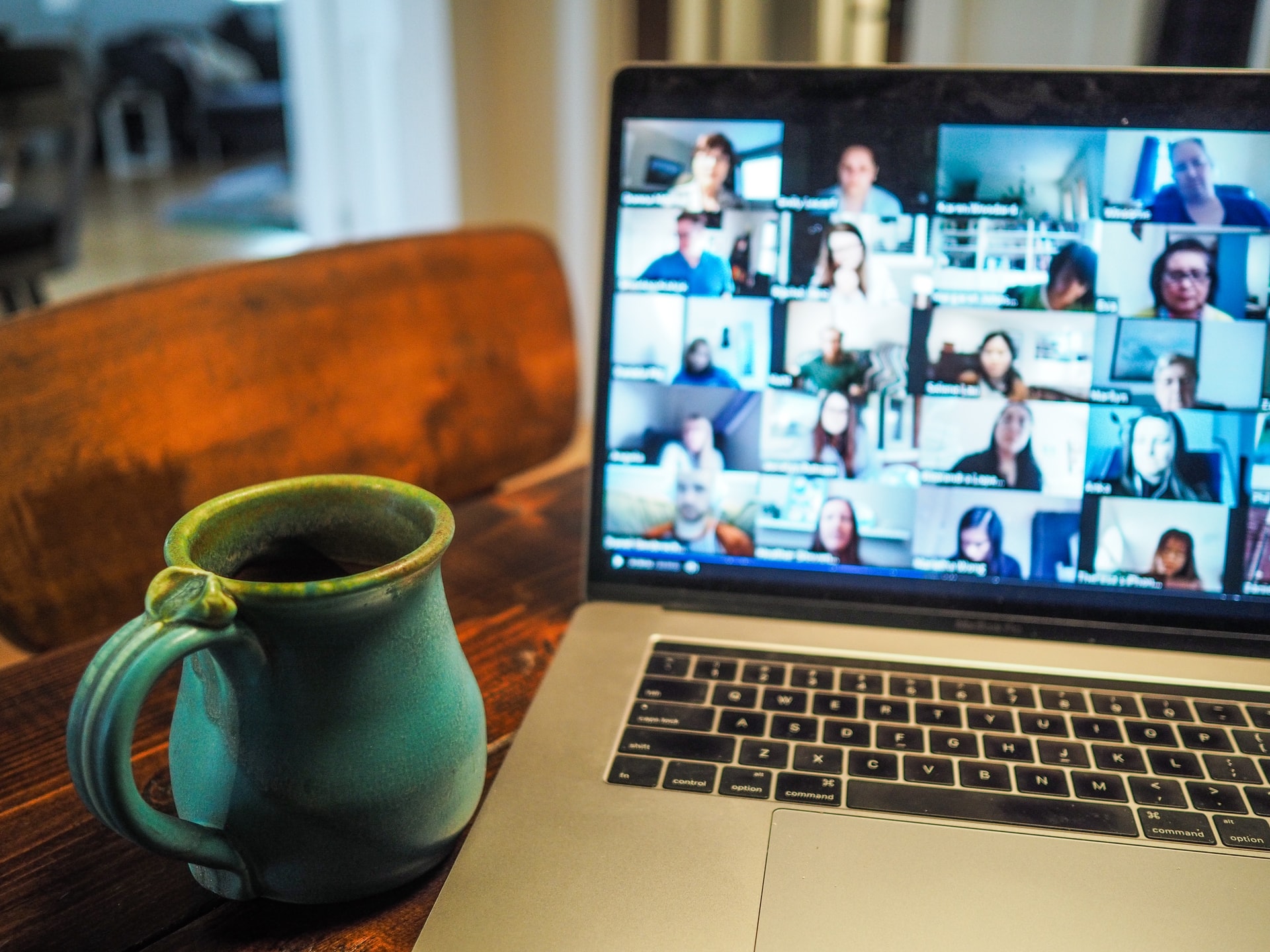
Facilitate collaboration by investing in resources such as video conferencing technology, project management tools and collaborative workspaces. The goal is to make it as easy to communicate as it was prior to the pandemic, ultimately improving employee productivity.
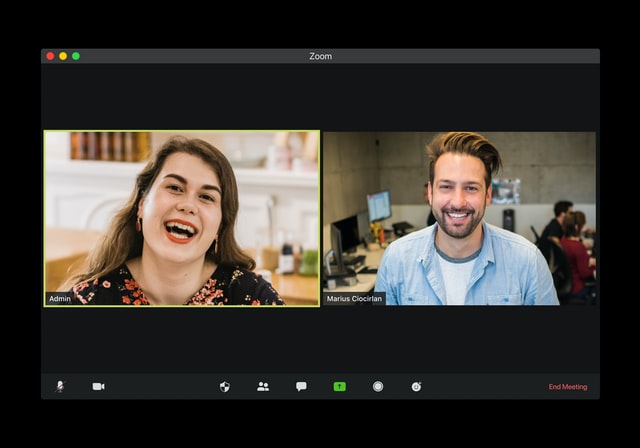
Encourage video calls for teams or departments to regularly check in with each other. Start with once a week and increase if needed or desired by the group. Video will help employees feel connected by seeing their co-workers on a screen. The discussion doesn’t need to be project-related, but can be more of a check-in to see how people are doing—especially if they are working remotely and balancing other responsibilities.
Schedule virtual social gatherings for employees to enjoy a cup of coffee, their lunch or a happy hour together. Keep these informal to preserve an organization’s sense of fun.
Consider altering annual company events so they can still happen. Employees often look forward to companywide events, so it’s important to consider how to host them in a safe and engaging way.
Other Considerations for Social Distancing and Workplace Culture
Organizations can design a workplace that encourages social distancing, but it must be paired with consistent policy enforcement. It’s impossible to control the actions of every employee who walks through the door or to expect desk layouts to fundamentally change people’s behavior.
As the pandemic continues, some Americans are reporting pandemic fatigue. That may lead to employees—consciously or unconsciously—disregarding workplace policies and acting less cautiously than they were at the pandemic’s onset. As a result, morale could be impacted if employees feel uncomfortable with co-workers’ behaviors in the workplace.
Today’s workplace will continue to evolve just as the pandemic does. To learn more, contact GDI Insurance Agency, Inc. today.
California’s Leader in Insurance and Risk Management
As one of the fastest growing agencies in California, GDI Insurance Agency, Inc. is able to provide its clients with the latest and greatest of what the insurance industry has to offer and much, much more. The GDI team has developed an “insurance cost reduction” quoting plan, that provides you with the best coverage at the best rate!
We are headquartered in Turlock, CA, with locations across the heart of California’s Central Valley, Northern California and beyond to provide a local feel to the solutions and services we provide our clients. We pride ourselves on exceeding our client’s expectations in every interaction to make sure that our client’s know how much we value and appreciate their business.
We use cookies to optimize our website and our service.
Functional cookies
Always active
The technical storage or access is strictly necessary for the legitimate purpose of enabling the use of a specific service explicitly requested by the subscriber or user, or for the sole purpose of carrying out the transmission of a communication over an electronic communications network.
Preferences
The technical storage or access is necessary for the legitimate purpose of storing preferences that are not requested by the subscriber or user.
Statistics
The technical storage or access that is used exclusively for statistical purposes.The technical storage or access that is used exclusively for anonymous statistical purposes. Without a subpoena, voluntary compliance on the part of your Internet Service Provider, or additional records from a third party, information stored or retrieved for this purpose alone cannot usually be used to identify you.
Marketing
The technical storage or access is required to create user profiles to send advertising, or to track the user on a website or across several websites for similar marketing purposes.