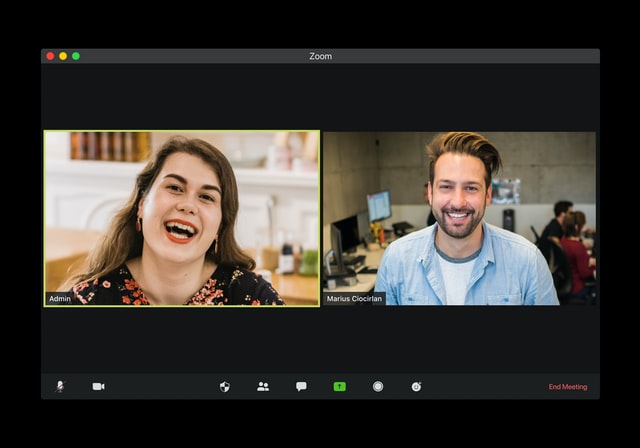
Supporting Employees During a Potentially Lonely Holiday Season
The COVID-19 pandemic has changed many aspects of daily life—including how employees celebrate for the holidays. The Centers for Disease Control and Prevention (CDC) urged all Americans to avoid gathering and traveling for the Thanksgiving holiday, and these sentiments will likely apply to future holiday celebrations as well. This may include—but is not limited to—Hanukkah, Christmas, Kwanzaa and New Year’s Eve, making this a potentially lonely holiday season.
Although following the CDC’s advice is essential to prevent the spread of COVID-19, canceling trips and holiday plans can make for a lonely holiday season for many employees. This article discusses ways to support employees during this unprecedented holiday season.
Employee Mental Health and Lonely Holiday Season
The holiday season is traditionally a stressful one for employees in general, but employees will likely be more stressed out this year due to the COVID-19 pandemic and having to cancel holiday plans.
After almost a full year of disruption and uncertainty, many employees have experienced stress and disappointment, which could be negatively affecting their overall health. A report from Limeade, an employee experience software company, found that:
Forty-nine percent of employees have less energy to participate in non-work-related activities.
Forty-two percent of employees have trouble sleeping.
Forty-two percent of employees are less interested in socializing with friends.
In addition, about one-third of employees reported consuming more alcohol or using other substances more than usual to cope with their stress. These unhealthy coping mechanisms could affect employees’ personal and professional lives, which makes it all the more important to support them.
An employer’s role is to support employees—including their mental health and well-being. That support is even more important during a global pandemic and an unprecedented holiday season, as employees may be struggling to cope with the uncertainty.
Best Practices for Supporting Employees During a Lonely Holiday Season
How you choose to support employees during this stressful and potentially lonely holiday season depends upon your organization’s values, culture and budget. However, there are a handful of low- to no-cost ways you can provide support. This includes the following best practices:
Connect with employees. Intentionally check in with direct reports on a regular basis and simply ask, “Are you OK?” The best way to help employees is to start by asking how they are doing. Employees may choose not to engage, and that’s fine too, but it’s important to approach that conversation. Additionally, consider asking what kind of support would be helpful to your employees, and reinforce that the door is open if and when they’d like to talk.
Model healthy behaviors. To be a good example to other employees, prioritize self-care and set boundaries. Be vocal and open about what you’re doing to take care of yourself and avoid burnout.
Be vulnerable. To help decrease the stigma of mental health challenges, be transparent about personal struggles or experiences. Doing so can help other employees feel comfortable talking about how they’re truly doing during the pandemic and this holiday season.
Host a virtual holiday event. If your budget and workload allow, consider hosting a virtual holiday event. By offering a safe way to celebrate the holidays, you may help employees combat feelings of loneliness or disappointment if they have to cancel their own personal holiday plans. Some simple virtual holiday celebration ideas include:
Virtual mixers designed for multiple conversations to take place at once, rather than one big video conference
Ugly sweater contests
Holiday karaoke events
Gingerbread house building and decorating activities
Wine and cheese parties
Online escape rooms
Trivia contests
Virtual gift exchanges
Communicate regularly. Help remove unnecessary stress by setting expectations about workloads and clarifying any modified work hours and norms. Strive for weekly communications from the organization to inform employees about company news and updated policies related to the pandemic.
Highlight available resources. Last but not least, it’s important to make employees aware of available mental health resources and encourage them to use such offerings. The most commonly desired workplace features are an open and accepting culture, clearer information about where to go or who to ask for support, and training to help managers have productive behavioral health conversations.
Remember, everyone’s situation is different, so it’s important to remain sensitive to the fact that some employees may be carrying on as usual during these times, while others may be struggling. Avoid calling out specific employees and make sure to keep any conversations about an employee’s mental health or stressors confidential.
Summary
The COVID-19 pandemic continues to disrupt employees’ lives across the country, creating additional stress, worry and disappointment for many. Supporting employees during difficult times such as these has never been more important.
California’s Leader in Insurance and Risk Management
As one of the fastest-growing agencies in California, GDI Insurance Agency, Inc. is able to provide its clients with the latest and greatest of what the insurance industry has to offer and much, much more. The GDI team has developed an “insurance cost reduction” quoting plan, that provides you with the best coverage at the best rate! We are headquartered in Turlock, CA, with locations across the heart of California’s Central Valley, Northern California and beyond to provide a local feel to the solutions and services we provide our clients. We pride ourselves on exceeding our client’s expectations in every interaction to make sure that our client’s know how much we value and appreciate their business.
Contact us today 1-209-634-2929 for your comprehensive insurance quote!
Understanding Fall Protection Equipment Warranty Requirements
Employers that are using fall protection equipment (e.g., personal fall arrest systems, connection components or anchors) should understand the manufacturers’ warranty requirements and instructions. Following these fall protection equipment warranty requirements is often necessary if the business would like the manufacturer to cover the product when it is damaged or if there is a functional issue. Examples of functional issues are when the fall protection fails to protect the employee when they fall or if a component of the fall protection (e.g. webbing, harness straps or buckles) needs repair.
Equipment manufacturers’ warranty instruction manuals play a vital role in workplace safety because both the Occupational Safety and Health Administration (OSHA) and the American National Standards Institute (ANSI) rely on these manuals to develop their standards on the proper use of equipment. The instructions also include the manufacturers’ own requirements that express the particular and proper use of the equipment.
In general, employers that follow manufacturers’ instructions are protected by equipment warranties. Conversely, employers that do not follow manufacturers’ instructions face the risk of voiding warranty protections. Without warranty protections, employers have fewer legal options against manufacturers under product liability policies.
What Are PFAS?
Personal fall arrest systems (PFAS) are made up of a body harness, anchorage and connector. This equipment is used to safely stop a worker who is falling. Under OSHA standards, employers are required to train their employees on the requirements of PFAS. Training is also frequently required by the manufacturer to honor the fall protection equipment warranty. Employees must understand the performance, care and use criteria for the fall arrest systems they are using. Each manufacturer of PFAS has different requirements for their warranties.
General Fall Protection Equipment Warranty Requirements
General warranty requirements include instructions that are meant to keep the equipment in the best shape possible during use. This is why the manual normally provides instructions on how to care for and maintain the fall protection equipment. The manual will also explain how to inspect and clean the equipment if it becomes dirty. Certain manufacturers have specific ways of cleaning PFAS that the user must follow to prevent voiding the warranty.
If employees are using PFAS that are designated specifically for them and they label their equipment, it is important for employees to check the manufacturing manual to determine whether there are any specific requirements when using markers to label the equipment (e.g., a manufacturer suggests only using Sharpie markers for writing on the webbing of their products).
OSHA and ANSI do not provide shelf-life recommendations for fall protection. The shelf life of fall protection is up to the manufacturer and will be found in the manual that comes with the equipment. Shelf-life warranties have changed over the years. Most fall protection equipment used to have a product lifetime of five years from the date of first use or when it was purchased. Some manufacturers have eliminated the five-year shelf life and instead consider the condition of the equipment. Other manufacturers eliminate the five-year shelf life if the equipment passes pre-use and competent-person inspection requirements as outlined in the guidelines.
Using Other Brand Accessories or Components
Employers need to be aware that, when purchasing a particular brand of fall protection, they may be required to purchase the same brand of fall protection accessories to maintain the warranty. Manufacturers may not allow the use of other brand accessories with their equipment. While OSHA does not have a standard prohibiting the use of different brands as long as the components are compatible, the agency has published an information bulletin on the subject. The safety and health bulletin includes this advisory information:
Personal fall protection made by different manufacturers may not be compatible.
Components by the same manufacturer may not be compatible if the components are not sized properly.
OSHA requires that employers evaluate the compatibility of all fall arrest systems and anchorage devices before the devices are used to protect employees. Employers should carefully read the manufacturer manuals and the warnings to pay close attention to components that are incompatible for use together.
Using different brands of fall protection with different brand accessories could create liability issues for the employer if there is an accident while using the equipment. The manufacturer likely will not allow the warranty to cover any accident liability if the user does not follow the manual instructions. Manufacturers normally do not honor another manufacturer’s product since it is not their product and they are not required to test the compatibility of any other brands with their own. Therefore, it is best practice and in the best interest of the employer to use the same brand for all of their fall protection equipment to prevent any mixing and matching of brands.
Inspection Requirements
Inspecting fall protection is very important for employee use. Employers must ensure that employees are inspecting their equipment when it is required. If an employee finds anything that would negatively affect the integrity of the equipment, it must be removed from service.
Inspections include visual and touch inspections on the webbing of the harness for things such as:
Cuts, nicks and tears
Fraying and abrasions
Missing straps
Mildew
Brittleness
Broken fibers
Hard or shiny spots indicating heat damage
Uneven webbing thickness indicating it was possibly worn during a fall
Issues with the stitching
Additionally, the manufacturer’s label needs to be present and legible, or the equipment must be removed from service.
Both OSHA and the manufacturer require that certain inspections be completed by a competent person. A competent person is an employee who is capable of identifying existing and potential hazards in any personal fall protection system (or any component of the fall protection) and who has authorization to take prompt, corrective action to eliminate the identified hazards. Employers must designate who their competent persons are.
In the Event of a Fall
Anytime PFAS are subjected to impact loading, OSHA regulations require an employer to remove them from service immediately. PFAS should not be used again for employee protection until a competent person inspects them and determines they are undamaged and suitable for use.
Making repairs to fall protection can only be done by the manufacturer, unless the manufacturer authorizes others to make the repairs on their behalf. Review the manufacturer’s manual prior to having repairs made by a third party.
It is important for employers to have fall protection plans that review OSHA requirements, ANSI standards and the manufacturer’s instructions. By following the requirements of the brands of fall protection being used, employers can prevent voiding their warranties.
California’s Leader in Insurance and Risk Management
As one of the fastest growing agencies in California, GDI Insurance Agency, Inc. is able to provide its clients with the latest and greatest of what the insurance industry has to offer and much, much more. The GDI team has developed an “insurance cost reduction” quoting plan, that provides you with the best coverage at the best rate!
We are headquartered in Turlock, CA, with locations across the heart of California’s Central Valley, Northern California and beyond to provide a local feel to the solutions and services we provide our clients. We pride ourselves on exceeding our client’s expectations in every interaction to make sure that our client’s know how much we value and appreciate their business.
OSHA is committed to protecting the health and safety of America’s workers and workplaces during these unprecedented times. The agency will be issuing a series of alerts designed to keep workers safe. Ensuring adequate ventilation in the workplace can help to maintain a safe and healthy workplace. Employers should work with a heating, ventilation, and air conditioning (HVAC) professional to consider steps to optimize building ventilation. An HVAC professional can ensure that the ventilation system is operating as intended.
The following tips can help reduce the risk of exposure to the coronavirus:
Encourage workers to stay home if they are sick.
Ensure all HVAC systems and ventilation in the workplace are fully functional, especially those shut down or operating at reduced capacity during the pandemic.
Remove or redirect personal fans to prevent blowing air from one worker to another.
Use HVAC system filters with a Minimum Efficiency Reporting Value (MERV) rating of 13 or higher, where feasible.
Increase the HVAC system’s outdoor air intake. Open windows or other sources of fresh air where possible. Be sure exhaust air is not pulled back into the building from HVAC air intakes or open windows.
Consider using portable high-efficiency particulate air (HEPA) fan/filtration systems to increase clean air, especially in higher-risk areas.
When changing filters, wear appropriate personal protective equipment. ASHRAE recommends N95 respirators, eye protection (safety glasses, goggles, or face shields), and disposable gloves.
Make sure exhaust fans in restrooms are fully functional, operating at maximum capacity, and are set to remain on.
Encourage workers to report any safety and health concerns.
California’s Leader in Insurance and Risk Management
As one of the fastest-growing agencies in California, GDI Insurance Agency, Inc. is able to provide its clients with the latest and greatest of what the insurance industry has to offer and much, much more. The GDI team has developed an “insurance cost reduction” quoting plan, that provides you with the best coverage at the best rate!
We are headquartered in Turlock, CA, with locations across the heart of California’s Central Valley, Northern California and beyond to provide a local feel to the solutions and services we provide our clients. We pride ourselves on exceeding our client’s expectations in every interaction to make sure that our client’s know how much we value and appreciate their business.
At the end of the calendar year, workplace holiday parties are an experience that many employees look forward to as a highlight of the season. These celebrations are often a long-standing tradition allowing employees to celebrate with their colleagues—and sometimes family and guests.
However, in response to the COVID-19 pandemic, many organizations are evaluating how to engage employees safely this holiday season. Employers find themselves tasked with deciding whether they should cancel, postpone or offer an amended celebration that prioritizes safety—with many choosing to offer a virtual holiday party.
Virtual holiday parties can help increase employee engagement—but also come with a set of challenges. In addition to concerns regarding the coronavirus, holiday events can carry a financial cost and create risks for organizations if employees participate in inappropriate behaviors. This article gives an overview of virtual holiday parties and offers ideas and considerations for employers planning a virtual celebration.
The State of Workplace Holiday Parties During the Coronavirus
According to firm Challenger, Gray & Christmas, Inc. who conducts annual workplace holiday party surveys, most employers are either canceling their party altogether or hosting it virtually this holiday season. Their annual survey found that:
Twenty-three percent of organizations plan to host a year-end celebration in 2020, down from 76% in 2019.
Forty-four percent of organizations canceling holiday parties this year cite COVID-19 as the reason for canceling.
Seventy-four percent of those planning to offer a holiday party are doing so virtually.
These findings show that, while holiday parties are generally popular, employers are adapting to address current realities. There isn’t a one-size-fits-all solution to offering a year-end celebration during the COVID-19 pandemic, and employers have a variety of options to engage their employees safely.
Considerations for Offering Workplace Virtual Holiday Parties
Holiday parties can impact employees in a variety of ways. Specifically, these events can boost:
Team chemistry and camaraderie
Employee motivation
Employee engagement
Additionally, holiday parties can give employees a break from the standard workday and even serve as an informal meeting to discuss next year’s goals and instill company values.
How an organization chooses to celebrate varies by workplace, but employers considering a virtual event may find that many of the shared experiences of a year-end celebration can take place in a remote environment.
Planning Workplace Virtual Holiday Parties
A virtual environment won’t always fully replicate the in-person experience that many employees have come to expect for celebrations. Despite this, with careful planning, employers can still plan a virtual event that satisfies employees. Similar to when planning an in-person celebration, there are steps employers will want to take, which include:
Establishing a budget for the event
Creating the event’s guest list, which may include:
All employees
A specific team, department or location
In some cases, family members or guests
Establishing and communicating expectations for employees, including appropriate behaviors and other related policies
Planning, promoting and hosting the event
Factors such as a budget and how you intend to engage employees may influence what type of celebration makes sense for your organization. Holiday celebrations often involve a variety of activities, and the good news is that many of these can be offered virtually via online platforms or video chat. Examples of virtual holiday celebrations include:
Virtual mixers designed for multiple conversations to take place at once, rather than one big video conference
Ugly sweater contest
Holiday karaoke
Gingerbread house building and decorating
Wine and cheese party
Online escape room
Trivia contest
Virtual gift exchange
These are some ideas for employers to consider and may require some advance planning. For example, in some cases, employers may choose to provide party supplies for the employee, which would require gathering and shipping those items to each employees’ home before the celebration. Or, employers may need to prepare a list of trivia questions or instructions for guided activities, such as the online escape room.
When it comes to planning for virtual holiday events, employers can consider planning the activity internally or using providers or vendors that specialize in event planning.
Alternative Methods for Recognizing Employees
Generally, holiday parties carry a cost, and diverting funds to throwing a celebration may not be an option, especially during the COVID-19 pandemic. Although employees may be disappointed due to not being able to participate in a holiday party, employers can lift their spirits in other ways.
Many employees may appreciate a gift or form of recognition as a replacement for their prized holiday party. Alternative methods for recognizing employees can include:
Giving employees a holiday gift
Sponsoring employees to make a charitable gift
Recognizing each employee for their individual contributions
As many organizations encounter financial restraints, holiday celebrations are not a requirement by any means. However, it’s important to consider showing appreciation for employees in some way to boost engagement and morale.
Virtual Holiday Party Best Practices
Workplace holiday parties can present a host of liabilities for organizations each year. While virtual celebrations won’t take place at a physical venue, employers should still proceed cautiously. Employees joining an event remotely aren’t immune from engaging in inappropriate behaviors. Holiday parties can remain a risk for employers—but employers can mitigate undesirable outcomes by planning effectively. Best practices include:
Evaluating your policies—With an increased number of employees working remotely—and the holiday event taking place virtually as well—ensure your employee handbook addresses remote behaviors to help mitigate risks. Employees should have easy access to an employee handbook and all policies, and be aware that a holiday celebration is considered a workplace event, meaning that all behaviors are expected to comply with organizational policies.
Keeping holiday celebrations optional—Depending on an employee’s exemption status, they may need to be compensated for their time, leading to challenges for mandating their attendance at a virtual event. Additionally, while many employees will be excited about a celebration, others may feel differently. With this in mind, it may be easier to make attendance optional.
Keeping the celebration general—There is some debate over the appropriateness of observing one holiday over another. However, focusing on offering a broader “holiday party” while avoiding specific religious celebrations can be inclusive to employees of varying backgrounds and beliefs.
Setting expectations for behaviors—Unfortunately, many holiday parties can lead to inappropriate behaviors by attendees. Despite being remote, employers should be aware that consequential employee behaviors can also take place virtually. Employers can mitigate undesired behaviors by setting expectations for attendees. Be sure to include these expectations in the employee handbook and communicate them to employees.
These best practices help mitigate the risk of employees engaging in inappropriate behaviors and best ensure that employees have a positive experience.
Holiday Celebrations in Your Workplace
While holiday celebrations can positively impact a workplace culture—there is also a case for forgoing a celebration. In addition to safety concerns, these events may have a financial cost, and holiday parties can present risks for employers, such as employees engaging in inappropriate behaviors. While virtual events may be able to mitigate common concerns such as excessive alcohol consumption that can lead to inappropriate behaviors, employers should know that poor behaviors can also take place in the virtual environment.
Employers who typically host an annual celebration, but are choosing not to do so this year, should consider explaining to employees why throwing a holiday party isn’t feasible. While some employees will be disappointed in this decision, they’ll still appreciate the sincerity and transparency.
As the end of the year approaches, employers find themselves torn between postponing, canceling or hosting a holiday celebration using safe practices. Employers should consider what type of celebration makes sense for their organization, even if that means not having one this year. For additional employee engagement resources, contact GDI Insurance Agency, Inc.
California’s Leader in Insurance and Risk Management
As one of the fastest-growing agencies in California, GDI Insurance Agency, Inc. is able to provide its clients with the latest and greatest of what the insurance industry has to offer and much, much more. The GDI team has developed an “insurance cost reduction” quoting plan, that provides you with the best coverage at the best rate!
We are headquartered in Turlock, CA, with locations across the heart of California’s Central Valley, Northern California and beyond to provide a local feel to the solutions and services we provide our clients. We pride ourselves on exceeding our client’s expectations in every interaction to make sure that our client’s know how much we value and appreciate their business.
Get a head start on winterizing your home, so you can comfortably enjoy the approaching colder month. These maintenance tips for winter will get you on your way!
Winter weather can be unpredictable, and cold temperatures, high winds, ice and snow can cause serious damage to your home. To avoid costly weather-related repairs, it’s important to prep your home and property for winter. Consider the following maintenance tips to keep your home cozy and safe inside:
Weatherproof windows and doors—Check your doors and windows for gaps, and seal them up with caulk, weatherstripping or thermal window treatments.
Clean the dryer hose—According to the National Fire Protection Association, U.S. firefighters respond to more than 14,000 house fires caused by dryers each year. Remember to clean the lint filter, empty or replace the hose, and regularly check the vent for blockage.
Inspect the fireplace—Clogged chimneys can also lead to house fires and can cause carbon monoxide poisoning. It’s important to schedule an annual fireplace inspection and professional chimney sweep.
Check the HVAC system—Before the weather cools down, change the filters and schedule your annual HVAC system inspection and tune-up.
Prevent freezing pipes—To help keep pipes at a constant temperature, ensure there is sufficient insulation and that heat can circulate in your home.
Equally as important, consider the following preventative measures outside the house:
Trim tree branches—Keep tree limbs at least 3 feet away from the house to prevent excess water from seeping into potential cracks on the roof or siding.
Seal cracks—Take a walk around your home to look for any exterior cracks in caulk, paint, wood or concrete surfaces. It’s critical to protect the exterior from the elements and prevent water leaks and drafts into your home.
Clean out the gutters—Clogged gutters or downspouts can damage the foundation or cause ice dams—which may require expensive repairs. Remove leaves, twigs and other debris from gutters to ensure they aren’t holding water.
Maintenance Tips for Winter Driving
Even if you live in an area where the winters are mild, you still need to perform a car care check as the days grow shorter. Consider the following tips to prep your car for winter roads and unpredictable weather:
Inspect your tires for tread wear and have tires rotated during every oil change. Consider switching to snow tires if you live in an area that gets heavy snow to gain better traction on slippery roads.
Regular vehicle maintenance can help prevent car troubles. Consider changing your oil and antifreeze, replacing wiper blades and inspecting headlights and brake lights.
Inspect your battery—Battery capacity decreases in cold weather, so get your battery tested before the chill sets in. Consider parking your vehicle in a garage to further protect the battery from the cold elements.
Fill up your tires—Monitor your tire pressure and, as needed, fill up tires with air. It’s best to keep up with the monitoring process once a month.
Check the heater—If you don’t have a working heater in your car already, be sure to fix it. In the event that you have car troubles and are unexpectedly stuck in your car for an extended period of time, you’ll want that heat until help is on the way.
Besides prepping and keeping your vehicle running well, stash an emergency kit in your car to help in the case of a winter car emergency.
California’s Leader in Insurance and Risk Management
As one of the fastest growing agencies in California, GDI Insurance Agency, Inc. is able to provide its clients with the latest and greatest of what the insurance industry has to offer and much, much more. The GDI team has developed an “insurance cost reduction” quoting plan, that provides you with the best coverage at the best rate!
We are headquartered in Turlock, CA, with locations across the heart of California’s Central Valley, Northern California and beyond to provide a local feel to the solutions and services we provide our clients. We pride ourselves on exceeding our client’s expectations in every interaction to make sure that our client’s know how much we value and appreciate their business.
From Black Friday to Cyber Monday, the pressure to find the right gift for your loved ones and a great price begins. Setting a personal budget for the holidays and sticking to it will help reduce the holiday stress that most of us experience.
The National Retail Federation expects 2020 holiday sales to rise between 3.6% and 5.2% year over year, amounting to between $755.3 billion and $766.7 billion.
NRF President and CEO Matt Shay said he expects the industry could have a “strong finish” to 2020, in spite of the challenges from the coronavirus pandemic.
Americans have more money to spend that they were previously using on things like travel, NRF said, while there is also renewed hope for the distribution of an effective Covid vaccine. – per CNBC.
Some shoppers may look to avoid crowded stores, which will shift more spending online, the group said. Retailers have also been urging shoppers to use services like curbside pickup to try to ease the stresses on their supply chains. NRF is projecting a jump of 20% to 30% in online and other non-store sales, amounting to between $202.5 billion and $218.4 billion this holiday season, compared with $168.7 billion in 2019.
Stress and the Holidays
According to the American Psychological Association (APA), the leading cause of stress during the holiday season derives from money problems. If you are like most consumers, you have not planned ahead and may find yourself struggling for cash come January. A proper budget for the holidays and smart shopping techniques will help you stay within budget while finding something special for everyone on your list.
Use these tips to budget for the holidays:
Check your shopping list and make sure that everyone you are buying for needs a gift.
Write down a maximum dollar amount that you want to spend for your entire list and then track how much you are actually spending.
Buy items in bulk so you always have something little on hand for unexpected gifts.
Take advantage of post-holiday sales on gifts for next year.
Get a part-time job during the holidays, such as wrapping gifts at the local mall or being part of the Christmas display.
Consider opening a holiday savings account.
Be realistic about your purchases and ask yourself the following: Can I really afford this gift? Do I have the cash in my bank account to pay for it?
When shopping, leave your credit cards at home. Then, if you do not have the cash to pay for it, you can’t buy the gift.
Consider staying home and shopping online. Not only do many retailers waive shipping fees during the holidays, you’ll save money on gas by not having to visit the mall, too.
What to Know if You Use Your Credit Cards for Holiday Shopping
Tips for Those Who Want a Solid Credit Rating:
Treat your credit cards like cash; deduct money from your checking account every time you make a purchase.
Pay the entire balance of your credit card each month.
Limit the usage of credits to two or three maximum and select cards with no annual fees, 30-day grace bill periods, rebate incentives or other incentives (airline miles, auto points, etc.) programs and single-cycle billing.
Use your credit card with incentives for regular expenses such as groceries, utilities and gasoline.
Conduct an assessment of your expenses quarterly and make adjustments to your spending if you are going over budget.
Additional Tips For Those Who Need A Little Credit Boost:
Enroll in a pre-paid credit card program in which you load money onto the credit card for purchases. Once you’ve reached your set limit, the card will not work.
Establish a budget that includes a debt repayment plan monthly. As you pay off balances, call the creditor and ask them to close your account so that you are not tempted to use the card again.
Your personal credit score is just as important as some of the other important numbers in your life. Financial institutions calculate your credit score, which determines what type of interest rate you will receive on a mortgage or credit card. Many other institutions are now using credit scores to calculate how high your health and auto insurance premiums will be as well.
Plan Ahead For Less Stress
Instead of worrying about these money-related problems, get your finances in order and spend time worrying about what color to frost your holiday cookies instead! Take the time to budget for the holidays to help remove the stress for your holiday shopping.
It’s The Thought That Counts
The holidays are not all about shopping, instead taking the time to make a thoughtful gift can make a lasting memory. With social sites, like Pinterest, you can find great ideas that your friends or family will love.
Some of my favorite gifts that I have received are Christmas Ornaments. Each year, when I put my Christmas decorations out, I think of the person that gave me the ornaments and smile. It’s the gift that keeps giving.
When you think of your budget for the holidays, remember it truly is the thought that counts.
We hope that your holiday season is filled with love and great memories. Be sure to contact us if you do receive a gift of high value, as you will want to protect it with the proper insurance. Jewelry and high value items are not always fully covered with your homeowner insurance. 209-634-2929
We use cookies to optimize our website and our service.
Functional cookies
Always active
The technical storage or access is strictly necessary for the legitimate purpose of enabling the use of a specific service explicitly requested by the subscriber or user, or for the sole purpose of carrying out the transmission of a communication over an electronic communications network.
Preferences
The technical storage or access is necessary for the legitimate purpose of storing preferences that are not requested by the subscriber or user.
Statistics
The technical storage or access that is used exclusively for statistical purposes.The technical storage or access that is used exclusively for anonymous statistical purposes. Without a subpoena, voluntary compliance on the part of your Internet Service Provider, or additional records from a third party, information stored or retrieved for this purpose alone cannot usually be used to identify you.
Marketing
The technical storage or access is required to create user profiles to send advertising, or to track the user on a website or across several websites for similar marketing purposes.