


Crane Safety on a Construction Site
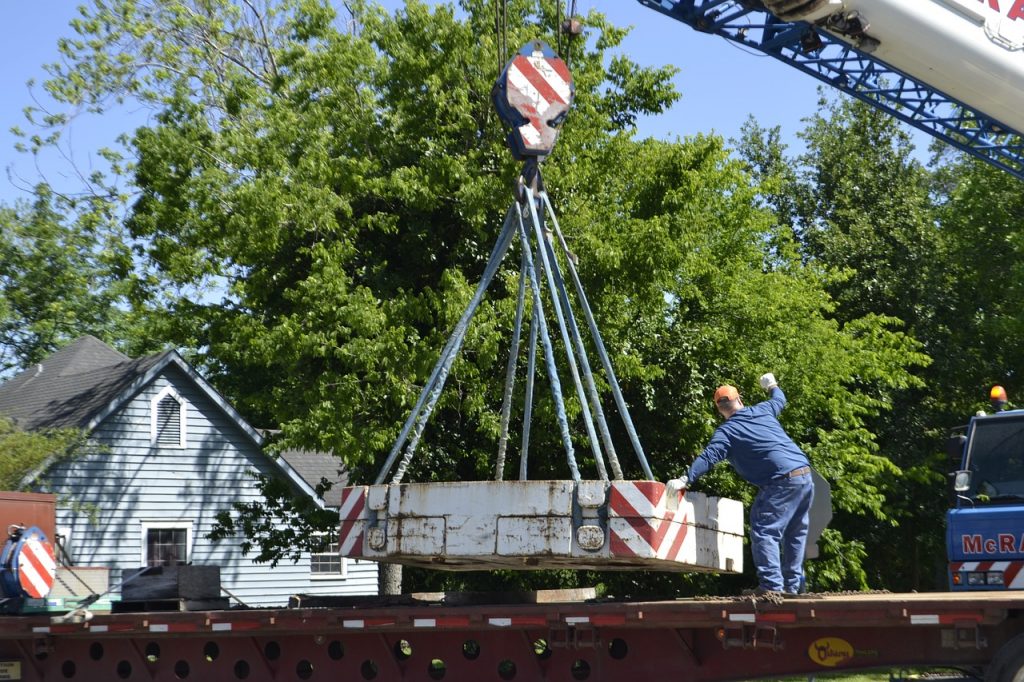
Cranes are massive pieces of equipment common to many construction sites that make lifting and transporting heavy materials much easier. While they are an important asset, there are hazards involving all aspects of crane use on a construction site. Think of these crane safety tips when working with a crane at your construction site.
You’ll Have The Support Of GDI Insurance Agency, Inc. Experts On A Continuing Basis
Here are just a few of the added value items GDI Insurance Agency, Inc. provides:
- We review your contracts
- Review your certificates of insurance
- Additional insured endorsements
- Put on classes for your staff on these topics
- Full OSHA compliant safety programs
Selecting a Crew
According to the Occupational Safety and Health Administration (OSHA), only certified crane operators are allowed to operate cranes on a construction site. Operators may be certified through a third-party organization or through their employer, provided the employer is qualified to train the operator.
In addition to one or more operators, there are other positions that need to be filled in order to use a crane.
A “competent person” must conduct shift and monthly inspections of all equipment. OSHA defines a competent person as a person “capable of identifying existing and predictable hazards in the surroundings or working conditions which are unsanitary, hazardous or dangerous to employees, and who has authorization to take prompt corrective measures to eliminate them.”
OSHA defines a “qualified person” as a person “who, by possession of a recognized degree, certificate or professional standing, or who by extensive knowledge, training and experience, successfully demonstrated the ability to solve/resolve problems relating to the subject matter, the work, or the project.” Qualified persons must conduct annual and comprehensive inspection of all equipment, along with duties associated with assembly and disassembly, fall protection, maintenance and repair, and wire rope safety.
Signal persons and maintenance and repair employees must be properly certified, as well.
Preparing the Area
Cranes take up a lot of space, so preparing the area where a crane will be used is important to ensure the job gets done safely and efficiently. Consider the following crane safety when preparing the area:
- Is the ground firm and level? Softer ground is ideal for a crawler crane, while a mobile truck crane works best on hard, dry ground. OSHA mandates that ground conditions must be drained and graded before a crane can be assembled and used. In addition, supporting materials (e.g., blocking, mats, cribbing) should be used.
- Can the crane safely rotate 360 degrees? Tower cranes and telescopic cranes often need to rotate in order to transport materials, so they need to be able to rotate a full 360 degrees. Make sure there are no power lines or buildings in the crane’s path.
- Is there adequate space for the outriggers? Studies have shown that as many as 50 percent of crane accidents occur because the outriggers are not properly used. Some cranes come equipped with outriggers for added stability and to provide the maximum lifting power. Many of today’s cranes have multiple outrigger positions to adapt to more ground conditions.
- Are access roads provided? Adequate access roads into and through the site are necessary for the safe delivery and movement of derricks, cranes, trucks, other necessary equipment, and the material to be erected.
Once a suitable site for the crane has been selected, work can begin.
Access and Egress
One of the most overlooked hazards when using a crane is simply getting on and off the equipment for assembly, disassembly and use. For example, lattice boom cranes require employees to walk on the boom sections to install and remove pins for assembly and disassembly, creating a hazard. Equipment made after Nov. 8, 2011, must be manufactured with built-in walkways for this type of crane. For equipment made before Nov. 8, 2011, the employer must provide fall protection for employees who are on a walking or working surface with an unprotected side or edge more than 15 feet above a lower level when assembling or disassembling a crane, and more than six feet when performing non-assembly or -disassembly work.
Equipment that is manufactured after this date must be equipped to provide safe access and egress between the ground and the operator work station(s), including the forward and rear positions. Walking and stepping surfaces, except for crawler treads, must have slip-resistant features, such as diamond plate metal, strategically placed grip tape, expanded metal or slip-resistant paint.
It is common for the area around the crane to get muddy, so extra precautions should be taken when walking in and around the equipment. The area in front of ladders and walkways should be free of water and mud to avoid slipping. Only ladders or ramps should be used as a means of access or egress from a cab. Scrap lumber or other miscellaneous materials should not be used.
Rigging
There are special precautions workers must take when rigging a crane. Materials often weight several tons, enough to crush just about anything it its path. Riggers must be qualified to perform any rigging work. Follow these crane safety tips to prevent accidents and injuries while rigging:
- Plan a rigging schedule to avoid rigging above or near areas where other work is being performed.
- Never exceed the maximum lifting capacity of a crane.
- Only use hooks with self-closing latches.
- Inspect straps and chains daily for defects:
- Nylon straps tear easily, so examine them for even the slightest fraying.
- Straps with knots in them can reduce the lifting capacity by up to 50 percent.
- Chain links can crack, stretch, twist or warp.
- Rope can get kinked or fray.
- Never leave materials suspended on a crane for extended periods of time.
Clearly, there are many hazards associated with using cranes on construction sites. However, they are an essential part of many construction projects and can be safe if everyone involved is properly trained. Contact GDI Insurance Agency, Inc. for more information on staying safe in construction sites.
California’s Leader in Insurance and Risk Management
As one of the fastest growing agencies in California, GDI Insurance Agency, Inc. is able to provide its clients with the latest and greatest of what the insurance industry has to offer and much, much more. With locations across the heart of California’s Central Valley and beyond to provide a local feel to the solutions and services we provide our clients. We pride ourselves on exceeding our client’s expectations in every interaction to make sure that our client’s know how much we value and appreciate their business. Contact us today 1-209-634-2929 for your comprehensive contractor insurance quote!